How to Buy PVC Granules for Your Manufacturing Needs?

Time:2026-05-09 Author:Sophia
0%

When considering the purchase of PVC granules, it is essential to understand the market landscape. According to recent industry reports, the global PVC granules market is projected to reach USD 78 billion by 2027, growing at a rate of 4.5% annually. This growth reflects the increasing demand for PVC in various applications, including construction, automotive, and consumer goods.

PVC granules are versatile and widely used due to their durability and cost-effectiveness. The production of these granules involves a rigorous process, ensuring high quality and consistency. However, not all suppliers maintain these standards, leading to potential pitfalls in sourcing. Choosing the right PVC granules provider can significantly impact your production efficiency.

It's crucial to assess potential suppliers based on their track record and quality certifications. Look for companies with industry recognition and positive customer testimonials. Nevertheless, even reputable suppliers may have shortcomings. Engaging in dialogue with manufacturers can help illuminate any concerns and offer insights into their operational practices.
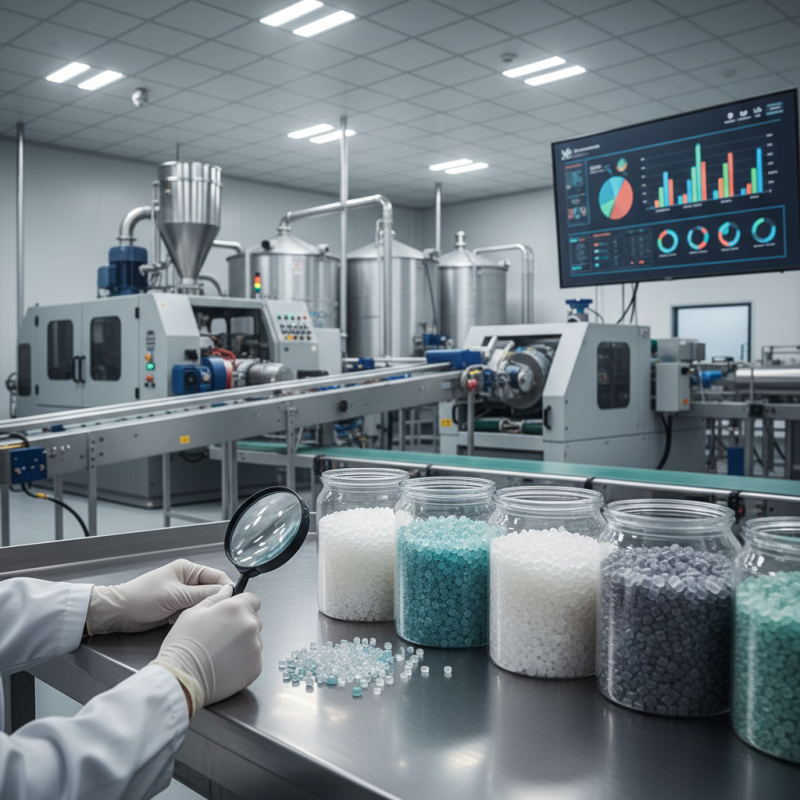
How to Buy PVC Granules for Your Manufacturing Needs?

Understanding PVC Granules: Types and Applications

PVC granules play a crucial role in various manufacturing processes. These small plastic particles are versatile and come in different types. The most common ones are rigid and flexible PVC granules. Rigid PVC is typically used in plumbing and window profiles, while flexible PVC is ideal for applications such as wiring and flooring. A report by the Plastics Industry Association indicates that the global demand for PVC is expected to reach 62 million tons by 2025.

The applications of PVC granules are vast and are driven by their unique properties. They are resistant to corrosion, durable, and cost-effective. For instance, in the automotive sector, flexible PVC granules are used for interior trims due to their lightweight and adaptability. However, while sourcing these granules, manufacturers should consider quality over quantity. Not all suppliers provide the same level of purity and performance. Poor-quality granules can lead to defects in finished products.

Furthermore, environmental concerns around PVC production are growing. Some manufacturers are shifting towards bio-based alternatives or recycled PVC. This creates a challenging landscape for companies. Balancing cost, quality, and environmental impact is critical. Understanding these dynamics helps manufacturers make informed purchasing decisions when selecting PVC granules.

Identifying Your Manufacturing Requirements for PVC Granules

When considering your manufacturing requirements for PVC granules, it’s important to understand your specific needs. The first step is to evaluate the type of products you will be creating. Will you be producing pipes, sheets, or containers? Each application requires different characteristics in PVC granules. Knowing this can save time and money.

Next, consider the desired properties of the PVC granules. Do you need high impact resistance, flexibility, or thermal stability? Each property influences the choice of granules. Consult with industry experts if you’re unsure. Their insights can shape your selection process.

Don’t overlook the importance of sourcing. Find suppliers with a trustworthy reputation and proven track records. Understand their production processes. This helps ensure you're choosing reliable materials. Take the time to compare options, and ask questions. Sometimes the cheapest option isn’t the best choice. Prioritize quality over price to avoid future manufacturing issues.

Factors to Consider When Selecting PVC Granules

When selecting PVC granules for manufacturing, several crucial factors must be examined. The quality of the granules greatly impacts the final product. Look for specifications, including density and viscosity. These metrics directly relate to product performance. Ignoring such details can lead to manufacturing defects.

Another significant element is the color and appearance of PVC granules. Color consistency is vital for aesthetic products. Uneven colors can result from poor mixing or low-quality materials. It's essential to request samples and assess them under various lighting.

Additionally, sourcing is critical. Understanding the supplier's reputation ensures reliability. Research reviews and request testimonials from previous clients. Making informed decisions can avoid costly mistakes. Reflecting on your options allows for better evaluation, ultimately leading to a successful purchase.

Where to Source PVC Granules: Suppliers and Marketplaces

When sourcing PVC granules, it’s essential to explore various suppliers and marketplaces. Start with industrial supply websites that specialize in plastics. Many businesses offer a wide range of PVC granules. They often provide detailed specs, helping you gauge the material's suitability for your production needs.

Local distributors can also be a reliable source. They usually offer faster delivery times and may provide personalized service. Visiting suppliers can help you establish a relationship. A face-to-face discussion about your requirements can lead to better deals. However, not all suppliers will have the same quality. Research and reviews are crucial before making a commitment.

Online marketplaces like B2B platforms can connect you to global suppliers. Check for reviews and ratings on these platforms. This can provide insight into each supplier’s reliability. Be prepared for potential mishaps, like shipping delays or quality variations. Engage with multiple sources to compare pricing and quality. Relying on a single supplier may limit your options. Exploring diverse avenues is key to obtaining the best materials for your manufacturing needs.

How to Buy PVC Granules for Your Manufacturing Needs?

Supplier Type Location Minimum Order Quantity (MOQ) Price Range (per kg) Lead Time Payment Terms
Manufacturer China 1 ton $0.80 - $1.20 2 weeks T/T, L/C
Distributor USA 500 kg $1.10 - $1.50 1 week PayPal, Credit Card
Online Marketplace Global 1 kg $1.00 - $1.80 Varies Varies
Local Supplier Germany 250 kg $1.30 - $1.60 1.5 weeks Bank Transfer

Evaluating Quality and Cost of PVC Granules for Purchase

When evaluating PVC granules for your manufacturing needs, quality and cost are crucial factors. Quality determines the performance of your final products. Look for granules that meet industry standards. Consider factors like density, viscosity, and color consistency. Test samples to ensure they fit your processes.

Cost is another significant aspect. Compare prices from multiple suppliers, but remember that cheaper isn’t always better. Sometimes, lower-cost granules may compromise quality. This can lead to production issues and higher long-term costs. Conduct a cost-benefit analysis to find a balance that suits your budget and quality requirements.

Engaging with suppliers can provide insights into their production methods. Ask about the source of their raw materials and quality control processes. Reflect on your past experiences with vendors. Sometimes, they might not clearly communicate their standards. This fosters a sense of uncertainty and can impact your purchasing decisions. Always seek transparent information to make informed choices.

Quality vs. Cost of PVC Granules

This chart illustrates the relationship between the quality ratings and cost per kilogram of PVC granules from different suppliers. It helps manufacturers evaluate their options when purchasing PVC granules.

FAQS

: What are the main types of PVC granules?

: The main types are rigid and flexible PVC granules. Rigid is often used for plumbing, while flexible suits wiring and flooring.

Why is quality important when sourcing PVC granules?

Quality impacts final product performance. Poor-quality granules can lead to defects, affecting durability and functionality.

How can manufacturers determine their PVC granule needs?

Assess product types, like pipes or sheets, and identify necessary properties such as flexibility or impact resistance.

What role does supplier reputation play in sourcing PVC granules?

A trustworthy supplier ensures reliable materials. Researching their history and client testimonials helps avoid potential issues.

How do color and appearance affect PVC granules?

Consistent color is crucial for aesthetics. Poor color mixing can ruin a product's appearance, making quality checks necessary.

Should I prioritize cost or quality when selecting PVC granules?

Prioritizing quality is vital. Cheaper options may lead to higher long-term costs due to defects or manufacturing problems.

What environmental concerns exist with PVC production?

There are growing concerns about PVC’s environmental impact, leading some companies to explore bio-based or recycled alternatives.

How can insights from industry experts help in choosing PVC granules?

Experts can provide guidance on specific requirements and properties, shaping a more informed selection process.

Why is evaluating metrics like density and viscosity important?

These specifications directly influence the performance of the final product and must not be overlooked to avoid defects.

What can manufacturers do to reflect on their sourcing decisions?

Taking time to compare options and asking questions about production processes can lead to better choices for materials.

Conclusion

When considering the purchase of PVC granules for manufacturing, it's essential to understand the various types and applications of these materials. PVC granules are versatile and can be tailored to meet specific production requirements. Identifying your manufacturing needs is crucial, as different applications may require distinct grades of PVC granules.

Several factors should influence your selection process, including the intended use, desired properties, and the production method you will employ. Additionally, sourcing PVC granules from reputable suppliers and marketplaces can ensure quality and reliability. Evaluating the cost-effectiveness and quality of the granules before purchase is vital, as it impacts both your manufacturing outcomes and overall project budget. By considering these aspects, you can make informed decisions that align with your manufacturing goals.


Sophia

Sophia

Sophia is a dedicated marketing professional with an exceptional depth of knowledge about her company's products and services. With a keen understanding of market trends and customer needs, she crafts insightful blog posts that not only inform but also engage readers, enriching the company’s online......