How to Choose the Best PVC Film for Your Business Needs?

Time:2026-07-28 Author:Liam
0%

Choosing the right PVC film for your business is crucial. These films have diverse applications, from packaging to graphic displays. According to a recent report by Grand View Research, the global PVC film market is projected to reach $17.54 billion by 2025, growing at a CAGR of 5.5%. This growth reflects the increasing demand across various industries.

Industry expert Dr. John Smith, a leading authority in polymer technology, states, “Selecting the appropriate PVC film can determine the success of your product packaging.” This insight underscores the importance of understanding the specific needs of your business when making a choice. PVC films come in different compositions, thicknesses, and finishes. These variations can significantly impact durability and aesthetic appeal.

Navigating this complex landscape is not always straightforward. Businesses often face challenges in identifying films that meet their operational requirements. Investing in the right information and expert guidance can prevent costly mistakes. A well-informed choice can enhance product performance and consumer satisfaction. Balancing quality with cost is essential, and reflection on past choices can lead to better future outcomes.
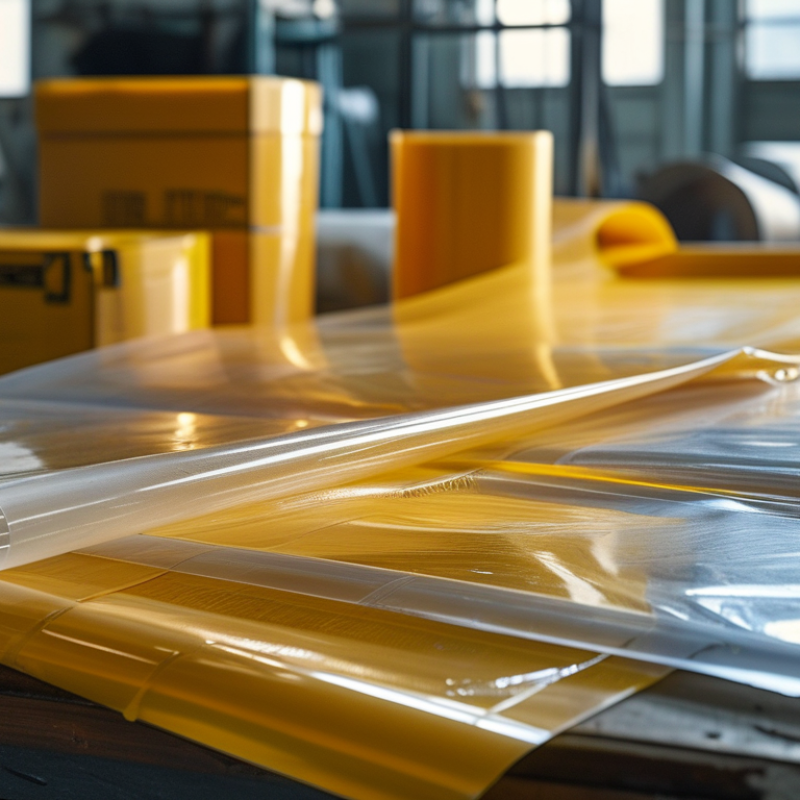
How to Choose the Best PVC Film for Your Business Needs?

Factors to Consider When Selecting PVC Film for Business Applications

When selecting PVC film for business applications, several critical factors influence the decision. The thickness of the film directly affects durability. Thicker films often provide more strength and resistance to tearing. However, thicker isn't always better; it might limit flexibility. Balance is key. Understanding the specific application's requirements is essential for making an informed choice.

Another aspect to consider is the film's clarity and transparency. High clarity is vital for displays and packaging, ensuring that products are showcased appealingly. However, if the film is too transparent, it may not offer adequate protection. Be aware of the trade-offs. Additionally, think about the environment where the film will be used. Exposure to UV light or extreme temperatures can degrade performance. Evaluating these factors carefully can prevent costly mistakes. Reflecting on past choices may reveal patterns that inform better decisions in the future.

Understanding Different Types of PVC Films: Rigid, Flexible, and Laminated

When selecting PVC films for your business, understanding the types is crucial. Rigid PVC films are typically used for applications requiring high strength and durability. They are ideal for products like signage and packaging. Flexible PVC films offer more versatility. They are used in applications like flexible packaging and protective covers due to their elasticity. Laminated PVC films combine the strengths of both types, providing added durability and resistance to moisture.

Data shows that the global PVC film market is expected to grow by 4.5% annually. This growth indicates increasing demand for specialized films across various industries. Choosing the right type of PVC film can enhance product performance and overall satisfaction.

Tip: Analyze your specific needs before selecting PVC film. Consider factors like thickness, clarity, and tensile strength. Choose films based on your application requirements to achieve optimal results.

It's essential to assess the quality of the films you consider. Not all PVC films are created equal. Some may lack essential durability properties. Reviews and product certifications can provide insights, helping you make a better decision.

How to Choose the Best PVC Film for Your Business Needs?

Type of PVC Film Characteristics Typical Applications Thickness Range (mm) Cost (per kg)
Rigid PVC Film Strong, lightweight, and durable Signage, protective packaging 0.2 - 3.0 $2.00
Flexible PVC Film Soft, flexible, and elastic Banners, table covers, inflatable products 0.1 - 2.5 $1.50
Laminated PVC Film Durable, protects against moisture and UV Product covers, labels, ID cards 0.3 - 1.0 $2.50

Evaluating Performance Characteristics: Strength, Clarity, and Durability

When selecting the best PVC film for your business, evaluating performance characteristics is crucial. Strength, clarity, and durability directly impact your material's effectiveness. According to industry reports, PVC films demonstrate tensile strength ranging from 3,500 to 5,000 psi, making them suitable for various applications. A stronger film can withstand physical stresses better, ensuring longevity.

Clarity is another significant factor. High-quality PVC films can achieve optical clarity levels over 90%. This is important for packaging and displays, as visibility can affect consumer choice. If clarity is sacrificed for cost, the impact on your brand could be detrimental.

Tips: Always request samples to evaluate clarity and strength before purchasing. Testing the films under your specific conditions can reveal potential weaknesses. Consider how each characteristic aligns with your end-use requirements. For durability, look for reports stating resistance to UV degradation, which can indicate longevity under environmental stress. Remember that not all films perform equally; some may look great but lack durability. Don't hesitate to ask suppliers for technical data sheets to make informed decisions.

Assessing Environmental Impact: Recyclability and Sustainability of PVC Films

When selecting PVC films, evaluating their environmental impact is crucial. PVC, while versatile, raises sustainability concerns. Understanding recyclability can help businesses make informed decisions. Not all PVC films are created equal. Some are more easily recyclable than others. Investigating the recycling processes in your area is vital. Not every facility accepts PVC, impacting sustainability efforts.

Considering the lifecycle of PVC films is essential. Assessing how they are manufactured, used, and discarded reveals their true environmental footprint. Films made from recycled materials can reduce the demand for new PVC. This choice can minimize the associated environmental damage. However, not every recycled film maintains the same quality, which is a challenge.

Sustainability does not only involve recyclability. It includes responsible sourcing and manufacturing practices. Businesses must consider whether their PVC films are produced using environmentally-friendly methods. The balance between performance and environmental impact often requires careful evaluation. As sustainability becomes more significant, rethinking choices will be necessary.

Environmental Impact Assessment of PVC Films

Cost Analysis: Pricing Trends and Budgeting for PVC Film Purchases

When considering PVC film for your business, understanding cost trends is crucial. According to industry reports, the PVC film market is projected to grow at a compound annual growth rate (CAGR) of approximately 4.3% from 2021 to 2026. Prices can vary significantly based on quality, thickness, and supplier relationships. For instance, the cost can range from $0.50 to $2.00 per square meter, depending on these factors.

Budgeting for PVC film requires awareness of market fluctuations. Recent data show that resin prices, a key component of PVC film manufacturing, have increased by about 15% in the past year. This increase directly impacts the pricing of finished products. Businesses should analyze their purchasing schedules and consider bulk buying to mitigate costs. Monitoring market trends can help you make informed decisions.

Investing in quality shouldn't be neglected in the budgeting process. Lower-priced films may not provide the durability needed for long-term applications. It's essential to balance cost with performance. A poor choice can lead to higher costs in the long run due to replacements and customer dissatisfaction. Understanding the nuances of the market will enable businesses to make strategic purchasing decisions.

FAQS

: What performance characteristics should I evaluate for PVC films?

: Key characteristics include strength, clarity, and durability. These factors impact material effectiveness significantly.

How strong are typical PVC films?

PVC films generally exhibit tensile strength from 3,500 to 5,000 psi, suitable for various applications.

Why is clarity important in PVC films?

High optical clarity over 90% enhances visibility for packaging and displays, impacting consumer choice.

How can I test the films before purchasing?

Always request samples to assess clarity and strength under specific conditions. This reveals potential weaknesses.

What should I know about the recyclability of PVC films?

Not all PVC films are equally recyclable. Investigate local recycling processes to understand your options better.

Why is sustainability relevant when choosing PVC films?

Sustainability involves responsible sourcing and manufacturing, affecting the overall environmental impact of films.

How do I budget for PVC film purchases?

Be aware of market fluctuations. Prices range between $0.50 to $2.00 per square meter depending on quality.

What market trends should I monitor?

Keep an eye on resin price changes, as they affect finished product pricing. Recent increases have been significant.

Does investing in quality matter?

Yes, opting for lower-priced films may lead to higher long-term costs due to durability issues.

How can poor choices impact my business?

A poor choice can lead to replacements and customer dissatisfaction, increasing overall costs in the long run.

Conclusion

When selecting the best PVC film for your business needs, it's essential to consider several key factors. Evaluating the different types of PVC films—rigid, flexible, and laminated—can help determine the best fit for your specific applications. Additionally, understanding performance characteristics such as strength, clarity, and durability is crucial for ensuring that the PVC film meets your operational requirements.

Another significant aspect to consider is the environmental impact of PVC films, focusing on their recyclability and sustainability. As businesses increasingly prioritize eco-friendly practices, these factors can influence your choice. Lastly, conducting a cost analysis, including pricing trends and budgeting strategies, will help ensure that you make a financially sound decision when purchasing PVC film for your operations.


Liam

Liam

Liam is a dedicated marketing professional with a profound expertise in the industry, where he excels at highlighting the unique advantages of our core products. With a keen understanding of market trends and consumer needs, Liam frequently updates our company’s professional blog, providing......