2026 How to Choose the Best PVC Roll for Your Project?

Time:2026-08-07 Author:Mason
0%

When selecting the right PVC roll for your project, understanding the options is crucial. The global PVC market is expected to reach $70 billion by 2026, highlighting the importance of quality selection. PVC rolls are versatile materials found in various applications, from flooring to roofing.

Many industry reports emphasize durability and cost-effectiveness when choosing a PVC roll. The average lifespan of quality PVC products can exceed 15 years, making them a reliable choice. However, not all PVC rolls are created equal. Some may not perform well in harsh conditions or may lack essential features.

It's essential to consider project specifics when deciding. Factors like thickness, texture, and UV resistance should not be overlooked. Make sure to weigh these details before making a choice. Reflecting on your needs will lead to better decision-making. Aim for a PVC roll that meets both performance and budget requirements while considering long-term value.
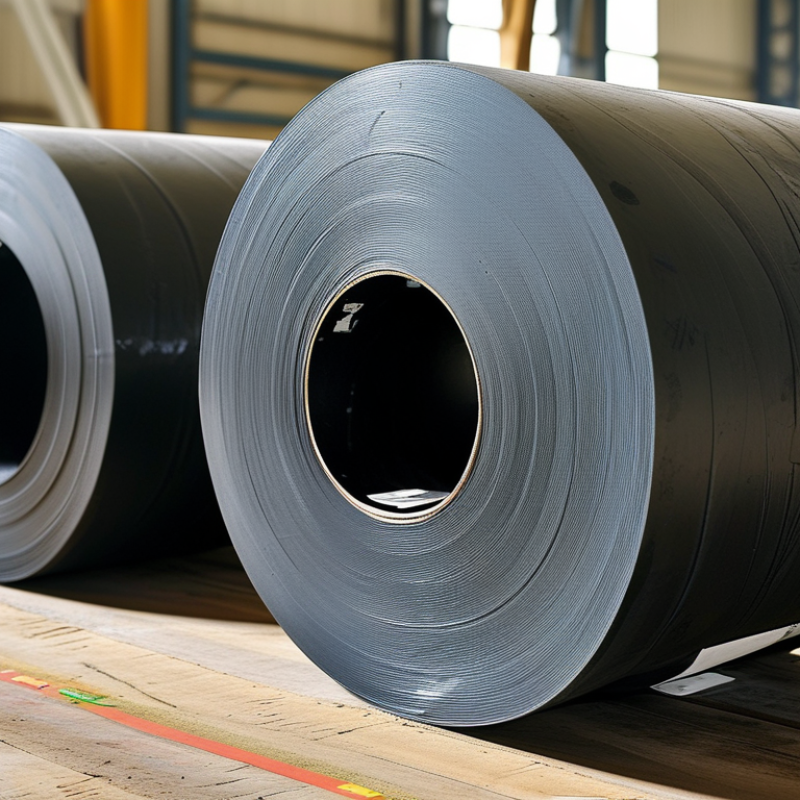
2026 How to Choose the Best PVC Roll for Your Project?

Understanding PVC Rolls: Types and Applications

Understanding PVC rolls involves grasping their types and applications in various industries. PVC, or polyvinyl chloride, is widely used due to its durability and versatility. It is categorized into flexible and rigid types. Flexible PVC rolls are popular for flooring and wall coverings. They are softer and easily manipulated, suitable for both indoor and outdoor uses.

Rigid PVC rolls find use in more demanding applications, like construction and signage. The choice between these types often hinges on the project's specific needs. According to a report by the Plastics Industry Association, around 56% of PVC usage is in construction and building applications. This highlights the material's integral role in modern infrastructure.

When selecting PVC rolls, consider factors such as thickness, texture, and intended use. Although many assume all PVC is the same, it varies significantly. For example, some rolls are better for high-traffic areas while others may be unsuitable for moisture-prone environments. Market data suggests that 35% of project failures stem from improper material selection. This statistic underscores the importance of informed choices in material usage.

2026 How to Choose the Best PVC Roll for Your Project? - Understanding PVC Rolls: Types and Applications

Type of PVC Roll Thickness (mm) Width (m) Application Durability (years)
Standard PVC Roll 1.0 2.0 Home Flooring 5
Heavy Duty PVC Roll 3.0 2.5 Industrial Use 10
Self-Adhesive PVC Roll 0.5 1.0 Wall Covering 3
Clear PVC Roll 0.8 1.5 Protective Covering 4
Antislip PVC Roll 2.5 2.0 Outdoor Flooring 7

Assessing Project Requirements for PVC Roll Selection

When selecting the right PVC roll for your project, understanding your specific needs is crucial. Start by assessing the environment where the PVC will be installed. Factors like temperature, humidity, and exposure to chemicals can influence the durability and performance of the material. For instance, outdoor projects may require rolls that withstand UV exposure, while indoor applications might not have such stringent demands.

Next, consider the thickness and rigidity of the PVC roll. Thicker rolls generally offer greater durability but may be harder to handle. Evaluate the ease of installation as well. Some projects may benefit from flexible, lightweight options, while others require sturdier materials for stability. Yet, manufacturers often provide vague information about performance. It’s essential to seek detailed specifications and possibly consult experts before making a final decision. Take the time to reflect on your choices; the wrong PVC roll can lead to unforeseen costs down the line.

Key Factors to Consider When Choosing PVC Rolls

When selecting the best PVC roll for your project, consider several key factors. The thickness of the material plays an important role in durability. Thicker rolls can provide better resistance to wear and tear. However, they may be heavier and more challenging to handle. Assess the specific needs of your project to determine the right balance between thickness and usability.

The surface texture is another crucial aspect. Smooth surfaces can be easier to clean, while textured options may offer better grip and slip resistance. Evaluate the environment where the PVC roll will be used. For outdoor applications, UV resistance may also be essential. A roll that is not suitable for the sun may degrade quickly.

Finally, consider the color and design. While this seems trivial, it can impact the aesthetic and functionality. Bright colors may enhance visibility, while darker shades can hide dirt. Reflect on your project's overall goals. Each decision should align with practical needs and personal preferences.

Comparing Durability and Cost of Different PVC Roll Options

When selecting a PVC roll, durability and cost are two critical factors to consider. Durability varies significantly among different options. Thicker rolls usually offer better resistance to wear and tear. They are less prone to cracks, which can save money in the long run. However, a higher thickness often means a higher price. Finding a balance between durability and cost can be tricky.

Cost should also reflect the intended use of the PVC roll. If the application is temporary, a less durable, budget-friendly option could suffice. For long-term projects, investing in a more durable roll might be wise. Consider the environment where the PVC will be used. Exposure to sunlight or extreme weather can degrade cheaper materials.

Illustrating these factors, imagine a PVC roll for outdoor signage. If it’s exposed to harsh sunlight, a thicker, UV-resistant option is necessary. Yet, such a choice might stretch your budget. Evaluate your project’s specific needs. Sometimes, spending a bit more upfront leads to fewer issues later. Keep these details in mind as you explore your choices for PVC rolls.

Best Practices for Installing PVC Rolls in Your Project

Installing PVC rolls requires careful thought and planning. The right installation technique can enhance durability and functionality. It’s crucial to prepare the surface adequately. Make sure it is clean, dry, and smooth. Any imperfections can lead to complications later. This step lays a strong foundation for a successful project.

Here are some tips for a better installation. Use a sharp utility knife to cut the PVC rolls precisely. A straight edge helps ensure even cuts. When applying adhesive, work in small sections. This method allows for better control and reduces the chance of errors. Pay attention to temperature; extreme heat or cold can affect adhesion.

Check for bubbles or wrinkles during installation. These can compromise the integrity of the material. If you notice any, carefully lift the material and reapply. It’s better to fix these issues immediately. Lastly, allow the PVC to acclimate to room temperature before installation. This can prevent unexpected shifting later on. Taking these small steps contributes to a more reliable outcome.

2026 PVC Roll Selection and Installation Best Practices

FAQS

: What factors should I consider when choosing PVC rolls?

: Consider thickness, surface texture, UV resistance, and color. Each affects durability and usability.

How does thickness impact the performance of PVC rolls?

Thicker rolls resist wear and tear better. They can handle heavy use but may be harder to manage.

What is the importance of surface texture?

Smooth surfaces are easy to clean. Textured options provide grip and slip resistance, suitable for various environments.

Why is UV resistance important for PVC rolls?

UV resistance helps prevent degradation in outdoor applications. Rolls without it may wear out quickly in sunlight.

How should I balance durability and cost?

Thicker rolls are often more expensive but last longer. Consider your project's duration and environmental conditions.

Should I choose a bright or dark color for PVC rolls?

Bright colors increase visibility. Dark shades hide dirt better. Match your choice with the project’s goals.

Are budget-friendly PVC roll options durable?

Budget options may lack durability. For temporary use, they can work, but they might not hold up long-term.

What if I do not have a specific use in mind for PVC rolls?

Reflect on potential applications. Choosing the right type without clarity can lead to future issues or regrets.

How can my project's environment influence PVC roll choice?

Extreme weather can degrade cheaper rolls. Assess exposure when selecting material for durability.

Is it worth investing in higher quality PVC rolls?

Often, spending more initially leads to fewer issues later. Consider long-term benefits versus short-term costs.

Conclusion

When selecting a PVC roll for your project, it's essential to understand the different types available and their specific applications. Assessing your project requirements is key; consider factors such as the environment, intended use, and necessary thickness to ensure you choose the right PVC roll.

Key factors to evaluate include durability and cost, as various options can vary significantly in both longevity and price. It's also important to follow best practices for installation to maximize the performance of your PVC roll, ensuring it meets your project expectations effectively. By keeping these considerations in mind, you can confidently select the best PVC roll to suit your needs.


Mason

Mason

Mason is a seasoned marketing professional with a deep expertise in the company's offerings and a passion for driving brand awareness. With a strong background in digital marketing strategies, he has an innate ability to connect with diverse audiences and effectively communicate product benefits.......