How to Choose the Best PVC Roll for Your Business Needs?

Time:2026-05-01 Author:Sienna
0%

Choosing the right PVC roll for your business is crucial. PVC rolls are versatile, used in various industries. However, the choices can be overwhelming. Expert Alex Johnson, a leading consultant in the PVC industry, states, "Selecting the correct PVC roll can significantly impact your operational efficiency."

Understanding your specific needs is essential when choosing a PVC roll. Different applications require different specifications. Some businesses prioritize durability, while others focus on flexibility. It’s vital to evaluate your demands. A mismatch may lead to increased costs or operational setbacks.

Expert advice highlights the importance of quality. Low-cost options might seem appealing, but they can compromise performance. Consider long-term benefits over immediate savings. Making an informed choice will ensure that your investment pays off. Ultimately, the right PVC roll leads to improved productivity and outcomes for your business.
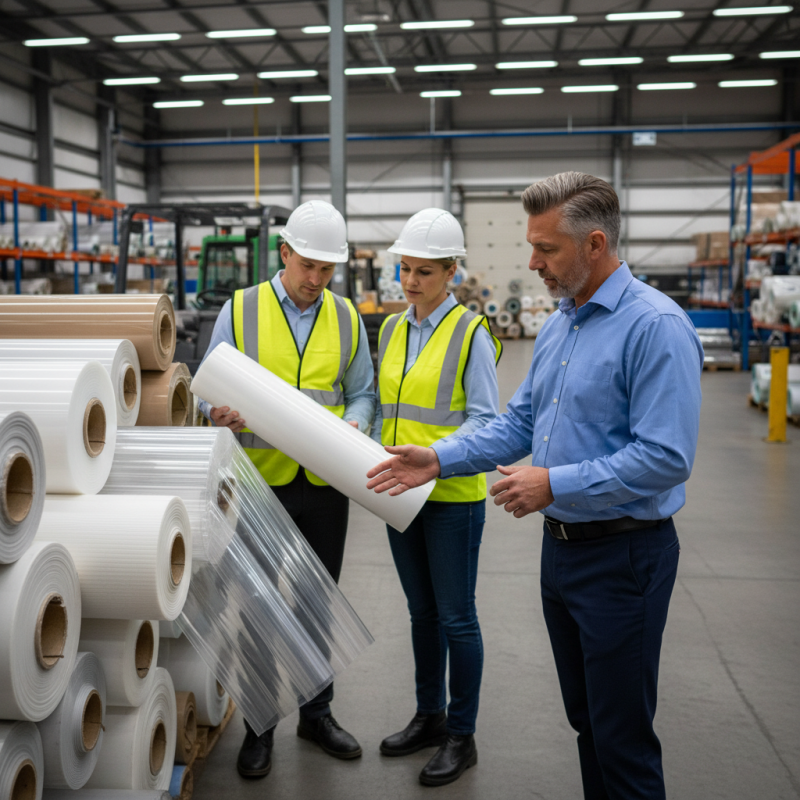
How to Choose the Best PVC Roll for Your Business Needs?

Factors to Consider When Selecting PVC Roll for Business Applications

Choosing the right PVC roll for your business is crucial. Consider the thickness needed for your specific application. Thicker rolls offer durability but may be pricier. Evaluate the surface finish too. Smooth surfaces are great for aesthetics, but textured options can provide better grip and reduce slippage.

Next, think about the environment where you'll use the PVC. Will it face extreme temperatures or exposure to chemicals? Different formulations resist varying conditions. Finding the right type can save you costly replacements later. Additionally, consider the width of the rolls. Sometimes, wider options might cut down on waste and installation time.

Don't forget to check for certifications. This can ensure that the material meets safety and regulatory standards. Transparency in sourcing materials is also vital. You want reliable suppliers who ensure quality consistency. Reflect on your unique needs to make an informed choice. It might take time, but the right PVC roll will pay off in efficiency and effectiveness for your operations.

Understanding the Different Types of PVC Rolls and Their Uses

When selecting PVC rolls, understanding the various types is crucial. There are several kinds tailored for specific applications. For example, clear PVC is widely used for window coverings and display materials. It allows visibility while providing protection. Another option is opaque PVC, which offers durability and is often used for signage. The choice between these can impact visual appeal and functionality.

Different thicknesses of PVC rolls serve different requirements. Thicker rolls provide better durability, making them ideal for high-traffic areas. Conversely, thinner rolls are often more flexible, suitable for intricate designs. Businesses must assess their unique needs to choose the appropriate thickness.

Some factors may seem straightforward but can lead to complications. For instance, thinking that all PVC rolls are waterproof can be misleading. Certain types may not perform well in wet conditions. Understanding the environment in which the PVC will be used helps in making informed decisions. It’s an area where businesses often overlook details, leading to suboptimal choices. Evaluating the specific use case can prevent future issues.

Evaluating the Cost-Effectiveness of PVC Rolls for Your Business

When evaluating the cost-effectiveness of PVC rolls for your business, several factors come into play. A study from the Plastics Industry Association reports that PVC materials can reduce production costs by up to 20% compared to alternative materials. This cost efficiency is crucial for businesses looking to optimize their budget amidst rising operational expenses. Notably, the durability of PVC rolls means they often require less frequent replacement, further enhancing their value over time.

However, not all PVC rolls are created equal. Businesses must consider the specific requirements of their projects. For instance, different grades of PVC offer varying levels of flexibility and strength. A cheaper option might not withstand the demands of a high-traffic environment. The importance of evaluating these factors cannot be overstated. Investing in a roll that fails to meet operational needs can lead to greater costs in the long run.

Furthermore, the environmental impact of PVC should not be ignored. While it might appear cost-effective initially, businesses should explore sustainable sourcing and recycling options. A responsible approach can align with corporate social responsibility goals. Balancing cost with quality and sustainability is essential for long-term success.

Assessing Environmental Impact and Sustainability of PVC Materials

When selecting PVC rolls, sustainability is key. PVC materials are often scrutinized for their environmental impact. A report by the Vinyl Institute indicates that PVC production accounts for only 0.5% of the total global greenhouse gas emissions. Yet, the perception remains that PVC is harmful. This creates a tension for businesses aiming for sustainable practices.


Recycling PVC is promising. According to a research paper from the European PVC Industry, around 640,000 tons of PVC were recycled in Europe in 2019. That’s nearly 20% of the total production. However, barriers exist. Contamination and inefficient collection systems hinder recycling efforts. This lack of infrastructure calls for continuous improvement and innovation in recycling technologies.


Many businesses face tough choices. The demand for eco-friendly products conflicts with the lower costs of virgin PVC. It's essential to weigh these factors carefully. A sustainable approach is not just about compliance but also about customer perception. Consumers increasingly prefer brands that prioritize environmental responsibility. This trend shows that investing in sustainable PVC solutions can be a strategic advantage.

Key Industry Standards and Certifications for Quality PVC Rolls

When selecting PVC rolls for your business, understanding industry standards and certifications is crucial. These guidelines ensure quality and performance. Look for certifications like ISO 9001 for quality management systems. This can help assure that the PVC rolls you choose meet rigorous manufacturing processes.

Another important standard to check is ASTM D-1784. It pertains to the quality of plastic materials. Compliance with this standard indicates that the PVC roll can withstand various applications while maintaining durability. Ensuring that the suppliers provide documentation of these certifications can be a good practice.

**Tip:** Always request samples before making a bulk order. Testing the material in your specific application can highlight any potential issues early on.

Be wary of lower-priced options that lack proper certifications. These might save money short term but could lead to higher costs due to replacements. The quality of PVC rolls directly affects product performance and reliability. Investing in certified products builds long-term trust with your clients. Always prioritize quality.

Comparison of PVC Roll Thickness and Tensile Strength

FAQS

: What should I consider when evaluating PVC rolls for my business?

: Consider production costs, durability, and project requirements. Not all rolls are equal.

How much can PVC materials reduce production costs?

PVC materials can reduce production costs by up to 20% compared to alternatives.

Are cheaper PVC rolls a good option for high-traffic areas?

Cheaper options may not withstand high traffic. Evaluate durability before purchasing.

What certifications should I look for in PVC rolls?

Look for ISO 9001 and ASTM D-1784 certifications for quality assurance.

What is the importance of requesting samples?

Samples can reveal potential issues in your specific application. It's a critical step.

Should I prioritize cost over quality when choosing PVC rolls?

Prioritizing cost can lead to greater long-term expenses. Quality should always come first.

How can I align my PVC roll purchases with sustainability goals?

Explore sustainable sourcing and recycling options to meet corporate responsibility aims.

What is the risk of buying lower-priced PVC rolls?

Lower-priced options may save money initially but may lead to higher replacement costs.

Why is it important to check industry standards?

Compliance with standards ensures durability and quality of the PVC rolls.

Can I trust all suppliers of PVC rolls?

Not all suppliers provide certified products. Verification is key to maintaining quality.

Conclusion

When selecting the best PVC roll for your business needs, it is crucial to consider several factors that influence both performance and value. Understanding the different types of PVC rolls available and their specific applications can help ensure that you choose a product that meets your operational requirements. Additionally, evaluating the cost-effectiveness of PVC rolls is essential in maximizing your budget while achieving desired quality.

Moreover, assessing the environmental impact and sustainability of PVC materials is increasingly important for businesses looking to align with eco-friendly practices. Being aware of key industry standards and certifications ensures that you select quality PVC rolls that meet regulatory requirements and offer reliability. By taking these aspects into account, businesses can make informed decisions that enhance efficiency and sustainability in their operations.

Sienna

Sienna

Sienna is a skilled marketing professional with a deep expertise in our company’s core products and services. With a passion for innovation and detail, she plays a pivotal role in crafting insightful blog posts that not only highlight the unique features of our offerings but also provide valuable......