The topic of using Recycled Plastic Raw Material effectively is becoming increasingly vital. As industries face challenges with plastic waste, innovative solutions are in demand. Experts like Dr. Jane Thompson, a leader in sustainable materials, emphasize the importance of this issue. She stated, “Recycled Plastic Raw Material can drive both ecological and economic benefits if used wisely.”
Many organizations are exploring how to integrate recycled plastics into their production processes. However, the journey isn’t without obstacles. Companies often struggle to find a consistent quality of recycled materials. This inconsistency can lead to performance issues in end products. Such challenges must be addressed to unlock the true potential of Recycled Plastic Raw Material.
To truly benefit from these materials, businesses need to rethink their sourcing strategies. Investing in technology could enhance processing capabilities. Additionally, training the workforce is crucial to adapt to new methodologies. Remember, using recycled plastic is not just a trend; it requires dedication and continuous improvement.
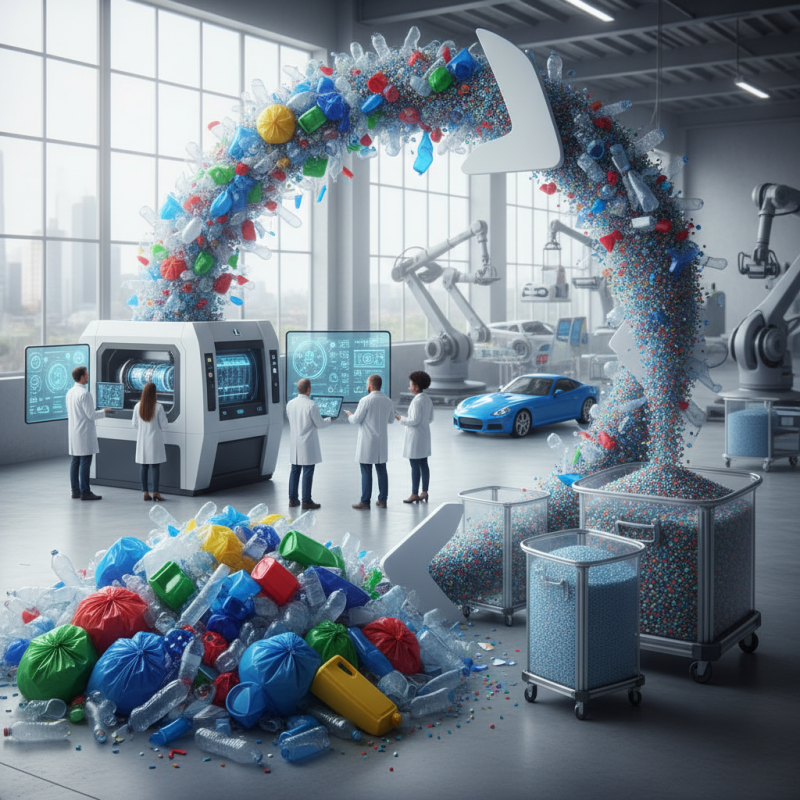
Recycled plastic has gained attention for its potential to reduce waste. Understanding the types and characteristics is crucial for effective use. Recycled plastics mainly fall into two categories: PET and HDPE.
PET is commonly used in beverage bottles. It has excellent clarity and strength. However, its recycling can be inconsistent. This inconsistency affects quality. On the other hand, HDPE is known for its strength and durability. It is often used in containers and plastic bags. Yet, color and contamination can be issues in recycling.
Knowing these characteristics helps in making better choices. It’s important to select the right type based on your project. Always consider factors like cost and environmental impact. Our focus should be on minimizing waste while maximizing usage. There’s always room for improvement in recycling practices. It’s a journey worth exploring, even with its challenges.
Quality control is critical in the production of recycled plastic materials. According to a report from the Ellen MacArthur Foundation, only 14% of plastic packaging is collected for recycling globally. This low recycling rate highlights the need for stringent quality measures. Contaminated or poorly processed materials can compromise the integrity of recycled products. Mixing different plastic types often leads to inconsistent quality.
Moreover, the International Journal of Recycling of Organic Waste in Agriculture emphasizes that improper sorting can lead to a 30% decrease in the mechanical properties of recycled plastics. If quality control is lacking, manufacturers might end up with products that do not meet industry standards. This can result in increased waste and financial loss.
Investing in better quality assessment technologies is essential. Some facilities still rely on outdated sorting methods. Innovations like near-infrared spectroscopy improve sorting accuracy, but not all operations have adopted these systems. Inadequate control measures not only affect product quality but can also hinder market growth. The recycled plastic industry needs to ensure that quality is not just an afterthought but a foundational aspect of its processes.
| Material Type | Recycling Rate (%) | Quality Control Measures | Applications | Environmental Impact |
|---|---|---|---|---|
| PET (Polyethylene Terephthalate) | 52% | Visual Inspection, Contaminant Testing | Bottles, Textiles | Reduces landfill waste and CO2 emissions |
| HDPE (High-Density Polyethylene) | 30% | Mechanical Sorting, Density Separation | Containers, Pipes | Conserves natural resources |
| PVC (Polyvinyl Chloride) | 25% | Chemical Analysis, Quality Testing | Building Materials, Flooring | Hazardous waste management improved |
| LDPE (Low-Density Polyethylene) | 20% | Color Sorting, Melt Flow Index Testing | Bags, Films | Supports recycling programs and reduces plastic usage |
Recycling plastic is essential for sustainability. However, processing recycled plastic can be challenging. Here are some effective methods to consider.
The first step is sorting. Ensure the plastic is free from contamination. Manual sorting helps separate different types of plastics. This process can be labor-intensive yet crucial for quality. Automated systems can also assist. Still, they may miss certain materials.
Recycled plastic is finding innovative applications across various industries. In construction, it transforms into durable building materials. For instance, recycled plastic lumber is used for decking, fencing, and even structural supports. This reduces waste and cuts down on new resource extraction. However, using recycled plastic in these applications can sometimes lead to structural integrity issues.
In the fashion industry, companies are integrating recycled plastic into clothing and accessories. Some garments are made entirely from recycled PET bottles. This repurposing reduces environmental impact. Yet, the challenge lies in ensuring the quality and longevity of these products. Fashion made from recycled materials can sometimes be less durable or fade faster compared to traditional fabrics.
The automotive sector is also embracing recycled plastics. Car manufacturers are using it for interior parts and trims. This practice lightens vehicles, enhancing fuel efficiency. Despite its benefits, it’s vital to monitor the performance and safety of recycled materials in high-stakes environments. Striking a balance between innovation and reliability remains a work in progress.
Recycled plastic waste is a pressing issue in today's world. In 2020, an estimated 300 million tons of plastic were produced globally, with only 9% being recycled. The majority ends up in landfills or the ocean. Sustainable practices must be prioritized to manage this crisis effectively.
One effective approach is to enhance recycling technologies. For instance, advanced sorting technologies can improve the quality of recycled materials. Currently, about 50% of plastics collected for recycling are misclassified. Better sorting can increase the recycling rate and reduce contamination, leading to higher-quality recycled plastics. Reports suggest that a 10% increase in recycling efficiency could save approximately $1 billion annually in raw material costs.
Creating awareness and encouraging community participation is vital. Involving local communities in recycling initiatives can significantly boost collection rates. Studies indicate that educational campaigns can increase recycling by over 30%. However, despite these advances, many regions still lack proper recycling facilities. Without a robust infrastructure, even the best practices cannot succeed. We must reflect on these gaps and take actionable steps for improvement.
: Quality control ensures recycled products meet standards and maintains integrity, reducing waste and financial loss.
Only 14% of plastic packaging is collected for recycling, indicating a significant opportunity for improvement.
Improper sorting can decrease the mechanical properties of recycled plastics by about 30%, affecting their usability.
Advanced sorting technologies, like near-infrared spectroscopy, enhance accuracy and help produce higher-quality recycled materials.
Approximately 9% of the 300 million tons of plastic produced globally in 2020 was recycled.
Community involvement and educational campaigns can increase recycling rates by over 30% and boost collection efforts.
Most plastic waste ends up in landfills or oceans, highlighting the urgency for sustainable waste management.
Limited resources or lack of awareness about new technologies can prevent facilities from updating their sorting processes.
A 10% increase in recycling efficiency could save around $1 billion annually in raw material costs.
Many regions lack proper recycling facilities, making it difficult to implement even the best practices effectively.
The article "How to Use Recycled Plastic Raw Material Effectively?" explores the various facets of recycled plastic, starting with an understanding of its types and characteristics. It emphasizes the significance of quality control in ensuring that recycled plastic materials meet industry standards. The article further outlines effective processing methods that can enhance production efficiency and discusses innovative applications across different industries, showcasing how recycled plastic can be utilized creatively.
Additionally, the article addresses sustainable practices for managing recycled plastic waste, highlighting strategies that can reduce environmental impact while maximizing the benefits of recycled plastic raw material. By focusing on effective usage and innovative applications, stakeholders can play a vital role in promoting sustainability and reducing reliance on virgin materials.

Dahai Plastic