What is the Melting Point of PVC for China Import Expo 2026?

Time:2026-03-25 Author:Sophia
0%

Understanding the melting point of PVC (Polyvinyl Chloride) is crucial for industries at the 2026 China Import Expo. The melting point of PVC typically ranges from 75°C to 105°C, depending on its formulation. This temperature threshold significantly impacts its applications in construction, automotive, and consumer electronics. As the demand for high-quality materials increases, manufacturers must consider the melting point of PVC for effective processing and material selection.

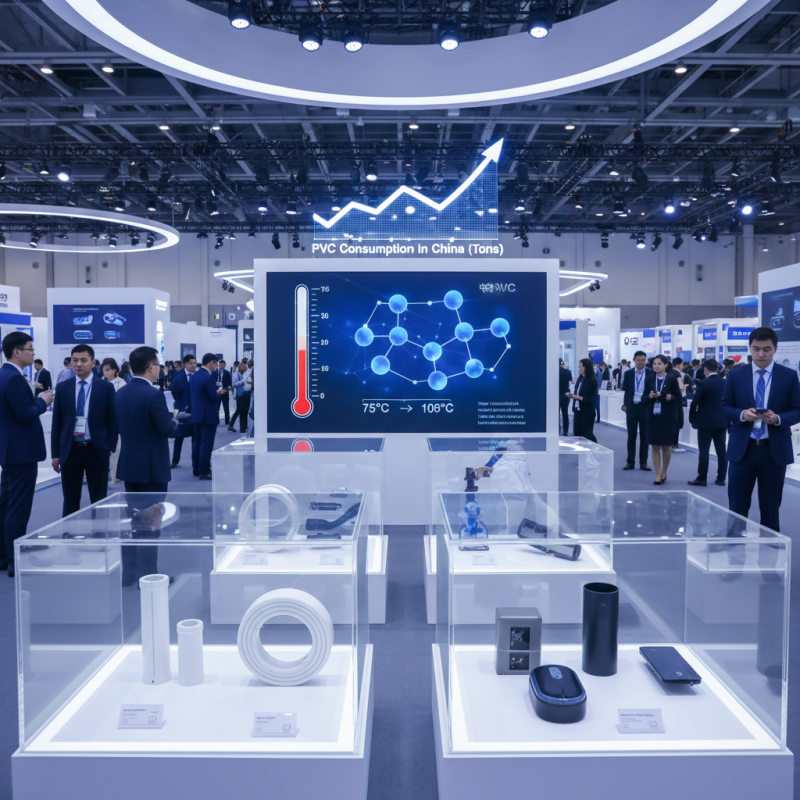
At the expo, advanced manufacturing and new materials will take center stage. With over 1.55 million square meters of exhibition space, companies will showcase innovations related to PVC. Reports suggest that PVC consumption in China is projected to reach 25 million tons by 2026. This emphasizes the need for precise data on material properties, like the melting point of PVC.

AI-enabled features will enhance the expo experience. Attendees can search for suppliers based on certifications such as ISO and CE. However, gaps still exist in understanding the long-term stability of PVC under various conditions. Addressing these imperfections in material science can lead to better production practices. Overall, the melting point of PVC is a fundamental aspect that warrants attention at this pivotal industry event.
What is the Melting Point of PVC for China Import Expo 2026?

Overview of PVC and Its Applications in Various Industries

Polyvinyl Chloride (PVC) is a versatile polymer widely used in various sectors. Its applications range from construction materials to medical devices. According to a recent market report, the global PVC market is expected to reach over $70 billion by 2026. This growth highlights its importance across industries.

In construction, PVC is favored for pipes and profiles. It offers durability and resistance to moisture. Notably, PVC has a melting point around 75-105 °C. This property is critical when considering its use in building materials that may be exposed to high temperatures. However, this standard range can vary based on additives used. In medical fields, PVC is appreciated for its clarity and flexibility, yet it also raises questions about recyclability and environmental impact.

Despite its advantages, PVC production presents challenges. The process can release harmful chemicals, and waste management remains a concern. As industries evolve, finding sustainable practices for PVC use will be crucial. Ongoing research aims to address these issues while maintaining performance standards. Engaging in this dialogue is essential for future innovations.

Understanding the Melting Point and Thermal Properties of PVC

PVC, or polyvinyl chloride, is widely used in various industries. Understanding its thermal properties is crucial for applications. The melting point of PVC typically ranges between 75°C and 105°C. This range varies based on the specific formulation and additives used.

When heated, PVC undergoes changes in its structure. At lower temperatures, it softens, becoming moldable. Further heating leads to melting, where it transforms into a viscous state. Knowing the exact melting point is vital for manufacturers. They must ensure equipment operates within safe temperature ranges.

Manufacturers often face challenges here. Not every type of PVC melts at the same temperature. Some formulations can degrade when exposed to heat for too long. This can compromise product quality and safety. Thus, continuous research and testing are necessary. Understanding these thermal properties helps improve reliability in the final products.

Melting Point of PVC and its Thermal Properties

Factors Influencing the Melting Point of PVC

The melting point of PVC varies. Generally, it may range from 75°C to 105°C. Several factors influence this. One key aspect is the type of plasticizer used in the formulation. Plasticizers lower the melting point. The amount also plays a role. Too much can weaken the material.

Another influence is the molecular weight of the PVC. Higher molecular weight generally means a higher melting point. This can affect manufacturing processes and product performance. The processing conditions during production are equally important. Temperature and pressure can change the final characteristics of PVC.

**Tip:** Always check specifications before purchasing PVC materials.
**Tip:** Different applications may require specific melting point ranges. Understanding these can optimize product use.

What is the Melting Point of PVC for China Import Expo 2026? - Factors Influencing the Melting Point of PVC

Sample Type Melting Point (°C) Additives Used Testing Method
PVC Type 1 75 - 80 Stabilizers, Plasticizers DSC Method
PVC Type 2 80 - 85 Impact Modifiers TGA Method
PVC Type 3 85 - 90 Flame Retardants Thermal Analysis
PVC Type 4 90 - 95 Colorants Melt Flow Index

Importance of Melting Point for Import Regulations at China Import Expo 2026

Understanding the melting point of PVC is crucial for compliance with import regulations at the China Import Expo 2026. Melting point refers to the temperature at which a material transitions from solid to liquid. For PVC (polyvinyl chloride), this point typically ranges from 75°C to 105°C. Accurate knowledge of this range is vital for industries, as it affects processing and transportation.

The melting point plays a significant role in the quality of PVC products. According to industry reports, variations can impact product durability and safety. Non-compliance with specified melting points could lead to issues at customs. Increased vigilance towards these melting point regulations will help facilitate smoother import processes.

Tips:
Ensure your PVC products meet the standard melting point requirements. Regular tests can prevent unexpected losses. Consider investing in proper storage solutions, as temperature fluctuations can alter melting points.

Future Trends in PVC Materials and Their Impact on Global Trade

The PVC market is evolving rapidly. As the demand for sustainable materials grows, innovations in PVC production are crucial. These advancements aim to reduce environmental impact. Companies are experimenting with bio-based additives. This could change the way PVC is perceived globally.

Trade dynamics are shifting. Countries are becoming more selective about imports. Stricter regulations may come into play. Exporters must adapt to these new rules. This creates uncertainty in global trade. Some markets might resist change, while others embrace it. The balance is delicate.

Future trends suggest PVC could lead in eco-friendly polymers. However, there are challenges. Not all alternatives are viable or cost-effective. Manufacturers must assess their sourcing strategies carefully. The path ahead may not be clear, but staying informed is essential. The next few years will be crucial for PVC's role in global trade.

FAQS

: What is PVC commonly used for?

: PVC is used in construction materials, medical devices, and various other sectors.

What are the thermal properties of PVC?

PVC typically has a melting point between 75°C and 105°C, depending on additives.

Why is the melting point important for manufacturers?

It helps ensure equipment operates safely and products maintain quality during production.

Are there challenges in PVC production?

Yes, harmful chemicals can be released, and waste management poses significant concerns.

How does heat affect PVC?

Heating PVC causes it to soften and become moldable, then it can melt into a viscous state.

Can all PVC formulations melt at the same temperature?

No, different formulations may melt at different temperatures and can degrade if overheated.

What is a concern regarding PVC in medical applications?

Concerns include its recyclability and environmental impact despite its desired clarity and flexibility.

What is the future of PVC usage?

Finding sustainable practices for PVC use is crucial as industries seek to innovate.

Why is ongoing research important for PVC?

Continuous research helps address production challenges while maintaining performance standards.

How can manufacturers improve product reliability?

By understanding PVC's thermal properties, they can ensure better quality and safety in final products.

Conclusion

The article titled "What is the Melting Point of PVC for China Import Expo 2026?" provides a comprehensive overview of polyvinyl chloride (PVC) and its diverse applications across various industries. It delves into the significance of understanding the melting point of PVC, which is critical for evaluating its thermal properties and suitability for different manufacturing processes. Factors such as additives, molecular weight, and processing conditions can influence the melting point of PVC, impacting its performance and compliance with import regulations.

Moreover, the importance of the melting point of PVC is emphasized concerning the regulations that will be in place for the China Import Expo 2026. As global trade evolves, understanding the future trends in PVC materials will be essential for businesses aiming to navigate the shifting landscape and ensure their products meet regulatory standards. This insight into the melting point of PVC not only informs manufacturers but also enhances their ability to compete in the global market.

Sophia

Sophia

Sophia is a dedicated marketing professional with an exceptional depth of knowledge about her company's products and services. With a keen understanding of market trends and customer needs, she crafts insightful blog posts that not only inform but also engage readers, enriching the company’s online......