PE cling wrap is an essential kitchen staple. It’s designed to keep food fresh and prevent spoilage. Many people rely on it for its versatility. However, not all PE cling wraps are created equal. Some are thicker, while others are thinner. The choice can greatly affect your food storage experience.
When selecting the best PE cling wrap, consider factors like strength and stretchability. Some brands offer easier tearing and better adhesion. You may even find that some cling wraps are microwave-safe, which adds to their convenience. Look for trusted brands with positive reviews. It can save you time and frustration in your kitchen tasks.
Remember, a perfect product doesn’t always exist. Different situations may call for different types of PE cling wrap. Experimenting can help you find what works best for your needs. As you navigate your options, reflect on your usage patterns and preferences. This mindful approach can enhance your food storage practices significantly.
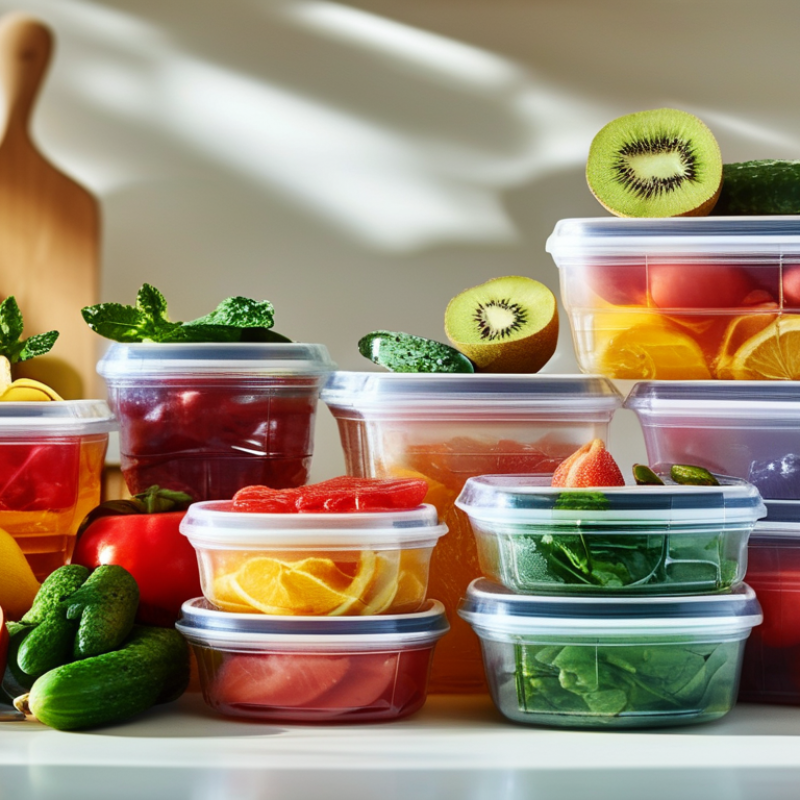
What is Pe Cling Wrap and Its Features
PE cling wrap is a popular kitchen staple. It is made from polyethylene, a type of plastic. This material is lightweight and flexible. Many people use it to keep food fresh and to avoid spoilage.
It wraps snugly around bowls, plates, and food items.
One key feature of PE cling wrap is its ability to seal tightly. This prevents air from getting in, which can help retain moisture. The wrap is also resistant to heat, making it safe for microwave use. Some versions are biodegradable, which appeals to eco-conscious consumers. However, some versions may not cling as well as expected. People often find themselves needing to press down more to create a secure seal.
When choosing cling wrap, consider thickness and clarity. Thicker wraps tend to be more durable. Clear wraps allow for easy visibility of contents. It's important to choose a product that meets your needs. Not every wrap will perform well with every food item. Some users might need to experiment with different types to find the best fit for their kitchen.
Benefits of Using Pe Cling Wrap in Food Preservation
Pe cling wrap is an essential tool in food preservation. It is made from polyethylene, a plastic that is widely used due to its flexibility and strength. Industry studies highlight that using cling wrap can reduce food waste by up to 20%. This reduction is significant when you consider that about 1.3 billion tons of food is wasted globally each year, according to the Food and Agriculture Organization (FAO).
One notable benefit of using PE cling wrap is its ability to maintain food freshness. It creates a tight seal around items, preventing air exposure. This feature significantly slows down the oxidation process. A report from the Environmental Protection Agency (EPA) indicates that airtight packaging preserves not just flavor but also nutrients. However, there are concerns about the quality of cling wrap. Not all products are created equal, and some may contain harmful additives. It's essential for consumers to choose high-quality options to mitigate such risks.
Preservation effectiveness varies with different foods. For instance, fruits and vegetables stay fresher longer when wrapped compared to unwrapped items. Studies have shown that wrapped produce can last 3-5 days longer. However, cling wrap can feel difficult to handle, leading to improper wrapping at times. Thus, while pe cling wrap offers many benefits, users should remain vigilant about how they utilize this product.
Benefits of Using PE Cling Wrap in Food Preservation
Factors to Consider When Choosing Pe Cling Wrap
When selecting PE cling wrap, various factors come into play. First, consider the thickness of the wrap. Thicker films often offer better puncture resistance. According to recent industry reports, thicker cling wraps can have a tensile strength that outperforms thinner options by 30%. This durability can affect how well the wrap preserves food freshness and quality.
Next, the clarity of the wrap is essential. A clear film allows for easier visibility of the contents being stored. This clarity can enhance food safety by enabling quick checks on food condition. Reports suggest that consumers prefer wraps with at least 90% transparency for effective monitoring. Additionally, the ease of use is crucial. A sticky, easy-to-tear margin can simplify application, while wraps that tear unevenly can lead to frustration and waste.
Don't overlook environmental impact. While many cling wraps are made from PE, those labeled as recyclable are becoming increasingly popular. Estimates indicate that 45% of consumers are willing to pay more for eco-friendly options. However, not all wraps labeled as biodegradable perform effectively. It’s vital to read labels closely and do thorough research before buying. Quality and sustainability must go hand in hand for more responsible choices.
Comparison of Popular Brands of Pe Cling Wrap
When choosing the best PE cling wrap, comparisons are crucial. Popular brands differ in their thickness, stretchability, and cling performance. A recent industry report indicated that consumers prefer wraps that are at least 0.5 mil in thickness for better durability. Thicker options often provide superior sealing capabilities.
Some brands claim to offer 300% more stretch than standard wraps. This can help the wrap conform better to various shapes. Consumers often seek options that resist tearing, especially when wrapping heavy or irregularly shaped items. However, finding a balance between thickness and flexibility can be challenging. Many users report that wraps which are too thick may not adhere well.
Tips for selecting the best PE cling wrap include testing for ease of use and ensuring the wrap sticks without issues. Look for reviews regarding the wrap’s performance in real-life scenarios. Also, consider the packaging size; larger rolls often lead to better value. Always check for certifications to ensure safety and compliance.
Tips for Proper Use and Storage of Pe Cling Wrap
PE cling wrap is a common kitchen staple. Proper use and storage can significantly enhance its effectiveness. Start by pulling out the desired length gently to avoid tearing. Ensure the surface you cover is clean. Cling wrap adheres better to smooth, dry surfaces. This helps keep food fresh.
Storage conditions matter too. Keep your cling wrap in a cool, dry place. Excess heat or humidity can lessen its sticking ability. It's also essential to avoid direct sunlight. Improper storage might lead to a loss of clinginess over time. Remember to check the expiration date if available.
Using PE cling wrap effectively means being mindful of how you cut and apply it. If you find it difficult to handle, consider different techniques. Sometimes, the roll can be unwieldy. Experimenting with various cuts can lead to better results. Adequate practice can improve your skills. Even seasoned cooks may find cling wrap challenging at times. It's okay to reflect on these little struggles.
What is Pe Cling Wrap and How to Choose the Best One? - Tips for Proper Use and Storage of Pe Cling Wrap
| Feature |
Description |
Tips for Use |
| Material |
Made from polyethylene, a safe and flexible plastic. |
Ensure it is food safe and BPA-free. |
| Thickness |
Available in various thicknesses, impacting durability and cling. |
Choose thicker wraps for heavier items. |
| Clinging Ability |
Designed to stick to smooth surfaces for optimal sealing. |
Ensure surfaces are dry and clean for best results. |
| Storage Tips |
Store in a cool, dry place away from direct sunlight. |
Keep tightly wrapped to prevent curling and sticking. |
| Environmental Impact |
Some products may be recyclable depending on local guidelines. |
Look for options that promote sustainability. |
FAQS
: Thickness is important. Thicker wraps often resist punctures better than thinner ones.
Clear wraps allow visibility of contents. This helps in quick checks of food condition.
Yes, easy-to-tear margins simplify application. Frustration can arise from wraps that tear unevenly.
Eco-friendly wraps are gaining popularity. Consumers seek recyclable options but should read labels carefully.
Thicker wraps offer better sealing. However, excessively thick wraps may not stick well.
Absolutely! Reviews can highlight real-life performance and ease of use, which is crucial when selecting.
Larger rolls may provide better value. Smaller packages might lead to more frequent purchases.
No. Not all biodegradable wraps perform as expected. Research is essential before making a purchase.
Look for safety and compliance certifications. This ensures the wrap is safe for food storage.
Too thick wraps may not adhere properly, while thinner ones risk tearing easily. Testing different types can help.
Conclusion
Pe Cling Wrap is a versatile plastic film designed for wrapping and preserving food. Its key features include excellent cling properties, transparency for easy visibility of contents, and resistance to moisture and air, making it an effective barrier for extending the freshness of food. The benefits of using Pe Cling Wrap in food preservation are numerous, as it helps to prevent spoilage, reduce food waste, and maintain flavor and texture.
When choosing the best Pe Cling Wrap, it's important to consider factors such as thickness, length, and ease of use, to ensure optimal performance for your specific needs. Additionally, proper use and storage techniques enhance its effectiveness, such as using clean hands or utensils when handling and keeping it in a cool, dry place. By understanding the features and advantages of Pe Cling Wrap, consumers can make informed decisions for their food preservation needs.

 Dahai Plastic