Peva Film is becoming increasingly popular in various industries, particularly for its eco-friendly properties. Dr. Sarah Thompson, a leading expert in sustainable materials, emphasizes its importance: "Choosing high-quality Peva Film is crucial for both performance and environmental impact." Peva Film offers exceptional versatility and durability, making it suitable for products ranging from clothing to packaging.
When selecting Peva Film, consumers often face a challenge. Many brands claim to offer the best quality, yet the differences can be subtle. Understanding the characteristics of Peva Film is essential. Some may prioritize thickness, while others focus on flexibility. Each choice carries weight in terms of usability and environmental footprint.
Despite its growing relevance, the Peva Film industry is not without flaws. Variable manufacturing standards can lead to inconsistencies in quality. As consumers, we must critically evaluate our options. Taking the time to research and compare helps ensure that our choices align with our values, ultimately promoting sustainability through smart consumption of Peva Film.
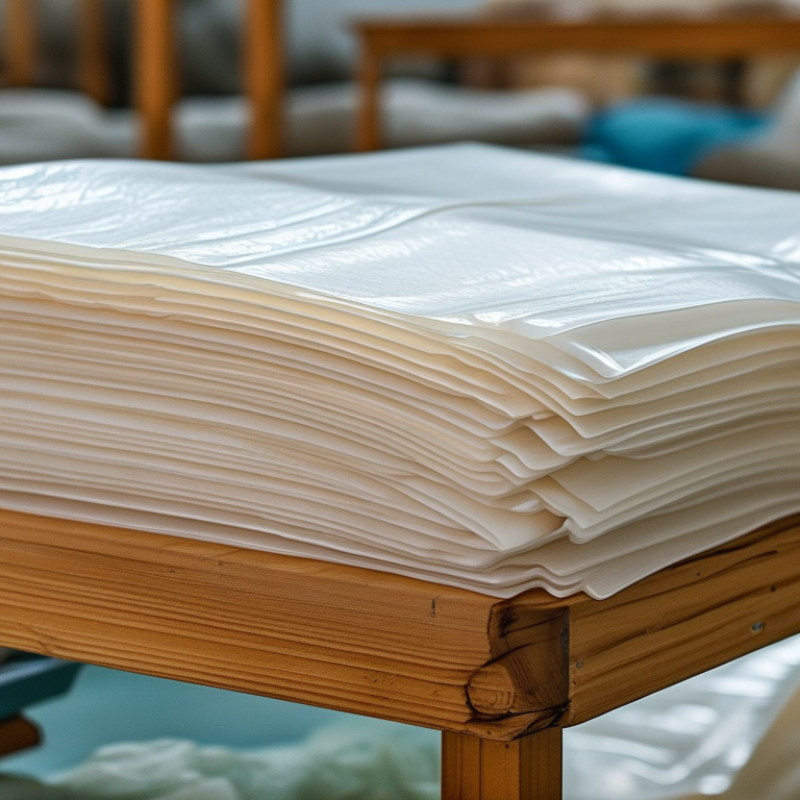
Understanding Peva Film: Definition and Properties
PEVA film, or polyethylene vinyl acetate, is a versatile material known for its practicality. It is often used in various applications, including packaging and household items. This film is appreciated for its excellent insulation properties and water resistance. According to a report by Global Market Insights, the demand for PEVA products is expected to grow annually by 6.5% through 2026. Such data indicates its rising popularity and diverse use cases.
Understanding the properties of PEVA film contributes to informed decision-making. It’s non-toxic and eco-friendly, making it a preferred choice in a world increasingly focused on sustainability. The film boasts a melting point of around 85°C, which provides durability under different conditions. However, not all PEVA films are created equal. Variability in thickness and clarity can lead to performance differences. Some films may yellow or tear easily, highlighting the importance of choosing high-quality products.
When assessing PEVA film, consider factors such as flexibility and tensile strength. A good quality film should exhibit both high flexibility and strength to resist tearing. Also, pay attention to the film's transparency and surface texture to ensure it meets your needs. The right choice can enhance both functionality and aesthetics in your projects.
Applications of Peva Film in Various Industries
PEVA film is gaining traction in various industries due to its versatility and eco-friendliness. In the packaging sector, PEVA film is often used for food storage. It helps keep food fresh without the harmful effects of traditional plastic. This is particularly useful in restaurants and catering services. The lightweight, durable nature of PEVA film makes it ideal for such applications. Many find it a practical choice for both single-use and reusable bags.
In the textile industry, PEVA film is increasingly used in manufacturing raincoats and outerwear. It provides excellent waterproofing without sacrificing breathability. This is essential for outdoor enthusiasts seeking reliable protection against the elements. Additionally, PEVA is used in home goods like shower curtains and table covers. Its mold-resistant properties add significant value, but the durability can vary by manufacturer. While many providers claim high quality, real-world performance can differ, leading to buyer frustration.
The automotive sector also utilizes PEVA film for various interior applications. Its flexibility allows for innovative designs while providing protection from wear and tear. However, over time, some users report issues with discoloration and flaking. This highlights the need for careful selection when choosing PEVA products. Each application presents unique challenges, reminding consumers to consider both quality and purpose.
Key Factors to Consider When Choosing Peva Film
When choosing PEVA film, several factors can influence your decision. The thickness of the film matters significantly. Thicker films offer better durability and protection. They resist tears and wear more effectively than their thinner counterparts. Consider the intended use of the film. For heavy-duty applications, opt for a thicker option. Lightweight PEVA is suitable for less rigorous tasks.
The clarity of the film also plays a crucial role. A clear film allows for easy visibility of objects stored inside. This can be essential in environments like kitchens or crafting spaces. Additionally, pay attention to the texture. Smooth finishes often repel moisture better than textured ones. However, textured films may provide a more breathable option, which can prevent condensation buildup in some cases.
Lastly, sourcing your PEVA film from reputable suppliers ensures quality. Reliable sources provide detailed product information and test certifications. This transparency builds confidence in the product’s safety and effectiveness. Always review product reviews and feedback from other users. Remember, not all films are created equal. Look for options that meet your specific needs while maintaining reliability and performance.
Evaluating the Quality of Peva Film Products
When evaluating the quality of PEVA film products, there are several key factors to consider. PEVA, or polyethylene vinyl acetate, is a non-toxic alternative to PVC. Its durability and flexibility make it popular for various applications from household items to packaging. To choose the best quality, inspect its thickness and flexibility. Thicker films often indicate better strength and longevity. However, some thicker films may sacrifice flexibility, leading to potential issues during use.
Another important aspect is transparency and clarity. High-quality PEVA films should be clear, allowing visibility without distortion. This is crucial for products like shower curtains or storage bags, where visibility matters. Additionally, check for any odors. A strong plastic smell may indicate lower quality. It can also raise concerns about potential chemical leaching.
Finally, look for environmental certifications. Eco-friendly products are gaining traction among manufacturers. However, not all PEVA films live up to these claims. Scrutinize product descriptions, and seek transparent information on manufacturing processes. While many products showcase attributes of quality, some may fall short upon use. Awareness of these subtleties can guide you to better choices.
Comparing Peva Film with Other Types of Films
PEVA film is gaining popularity due to its eco-friendly nature. It’s often compared with polyethylene and PVC films. Each type has unique features that can impact your choice. Research shows that PEVA is biodegradable, making it a preferable option for many consumers today. In contrast, PVC is less sustainable and poses environmental risks during production and disposal.
The thickness and flexibility of these films vary significantly. PEVA usually offers more flexibility than traditional polyethylene, allowing for better product fit and less wear over time. A recent industry report indicated that 40% of users preferred PEVA for its durability. However, not all PEVA films are created equal. Some may lack the desired strength or clarity.
It’s essential to examine the specifications carefully. Look for certifications that ensure quality. Reports suggest that almost 25% of PEVA products do not meet safety standards. This highlights the importance of researching suppliers. Understanding the differences can help you choose the right film for your needs.
FAQS
Clarity is important for visibility. A clear film helps see contents inside, especially in storage.
Yes, smooth finishes repel moisture better. Textured films may prevent condensation but can be less waterproof.
Source from reputable suppliers. They provide product details and certifications, ensuring safety and reliability.
Inspect thickness and flexibility. Strong films should be thick but also flexible enough for your needs.
Yes, a strong plastic smell may indicate lower quality. It could raise concerns about chemical safety.
Look for environmental certifications. Be cautious, as some products may not meet these claims after purchase.
Absolutely! User feedback can reveal potential issues not covered in product descriptions.
Review product descriptions carefully. Transparency in manufacturing can indicate the quality and sustainability of the film.
No, quality varies. Some films may look good but perform poorly in real-world use. Consider practical applications.
Conclusion
Peva Film is a versatile and eco-friendly material increasingly used across various industries due to its non-toxic properties and durability. Understanding its definition and properties is essential for those looking to incorporate this film into their products. Peva Film is often utilized in applications ranging from consumer goods to packaging solutions, making it a popular alternative to traditional plastic films.
When selecting the best quality Peva Film, there are several key factors to consider, including thickness, flexibility, and transparency. Evaluating the quality of Peva Film products ensures that the end-use requirements are met, while comparing it with other types of films can help in making informed decisions. Overall, Peva Film offers a sustainable and efficient option, appealing to businesses aiming to reduce their environmental footprint.

 Dahai Plastic