Top 10 Clear PVC Rigid Film Manufacturers

Time:2026-10-29 Author:Oliver
0%

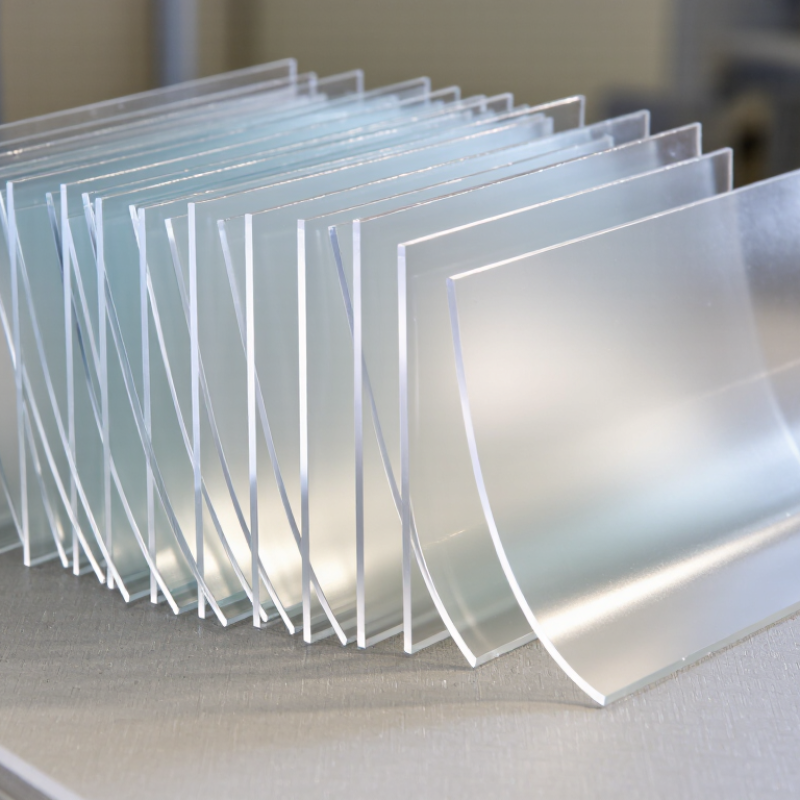
Clear Pvc Rigid Film is used where visibility, shape retention, and dependable protection matter. It can appear in packaging, printed displays, stationery, and formed components. The right material depends on more than a clear appearance. Thickness, surface quality, forming performance, and consistency between batches can all affect the finished product. Small differences matter.

This guide introduces ten manufacturers for buyers comparing suppliers across different needs. It considers practical questions: Do product specifications explain available gauges and finishes? Can the supplier discuss processing requirements, sample testing, and order volumes? Are quality controls and technical support described clearly? These details help readers assess a company beyond its catalogue or quoted price. A glossy sheet on a sample card may look convincing, but production trials can reveal issues with cutting, forming, or visual consistency.

No single manufacturer is the best fit for every application. Regional availability, lead times, customization, and the buyer’s equipment can change the decision. This list should be treated as a starting point, not a guarantee of performance. That distinction matters. Manufacturer information can also change, so confirm current specifications directly and test samples under real production conditions. A comparison can still miss something. Reviewing the ten companies side by side gives procurement teams a more grounded way to identify promising suppliers and prepare better questions before requesting a quotation.
Top 10 Clear PVC Rigid Film Manufacturers

Clear Rigid PVC Film: Material Definition, Grades, and Common Uses

Clear rigid PVC film is a transparent sheet made mainly from polyvinyl chloride resin. Rigid grades contain little or no plasticizer, so they hold their shape better than flexible PVC. Thickness, clarity, surface finish, and impact resistance vary by formulation and production method. Small differences matter.

Common grades include general-purpose, high-clarity, and impact-modified film. Calendered film can offer a smooth, consistent surface, while extrusion suits continuous sheet production. These are broad categories, not universal specifications. Buyers should check thickness tolerance, haze, forming behavior, and whether the material suits the intended contact or packaging conditions. A sample test helps. It is easy to overlook how a fold or cut edge reveals brittleness.

Clear rigid PVC film is used for blister packs, stationery covers, document sleeves, and transparent display components. Grand View Research’s PVC market report estimated the global PVC market at USD 68.3 billion in 2022, with projected annual growth of 3.9% from 2023 to 2030. This estimate covers PVC products broadly, not clear rigid film alone. Market size is useful context, but it cannot predict demand for a specific grade. For dependable selection, compare samples under real lighting and forming conditions; clarity on a specification sheet may look different on the production line.

Clear Rigid PVC Film: Typical Thickness Ranges by Use

Rigid clear PVC (uPVC) film is a transparent, unplasticized thermoplastic sheet. The ranges below are indicative commercial thickness ranges; actual specifications vary by product, forming method, and supplier.

Thickness ranges are shown in millimeters (mm). Packaging and thermoforming applications commonly use thinner gauges, while stationery and protective-sheet applications may use thicker gauges.

Typical Material Benchmarks: 1.35–1.45 g/cm³ Density and 75–85°C Tg

For clear PVC rigid film, density around 1.35–1.45 g/cm³ is a useful comparison range. It can help buyers screen materials, but it does not prove that two films will perform alike. Resin composition, stabilizers, and processing conditions all influence the finished sheet. Small differences matter.

Ask manufacturers for the test method and a current technical data sheet. A measured density should relate to a defined sample, not a vague catalogue figure. The typical glass-transition temperature, or Tg, is about 75–85°C.

Tg describes a change in polymer behavior; it is not a guaranteed maximum service temperature. A film may soften or distort under heat, load, and forming conditions before a simple benchmark tells the full story.

Look for lot-specific test records where consistency matters. Check how the film behaves under your actual lighting, cutting, and thermoforming conditions. A clear sheet that looks excellent on a sample card may show haze or stress marks after forming. That is easy to overlook.

Comparing thickness, surface quality, density, and Tg together gives a more practical basis for evaluating suppliers. Even then, benchmarks need context, and I would not treat one number as a verdict.

How Manufacturers Produce Clear Rigid PVC Film: Calendering and Extrusion

Clear rigid PVC film starts with a carefully mixed resin compound. Stabilizers and processing aids help the material flow and withstand heat. In calendering, heated rollers compress the softened PVC into a continuous sheet. Operators adjust roller gaps, temperature, and line speed to control thickness and surface finish. The rollers leave visible marks if alignment or pressure drifts. Small changes matter.

During extrusion, a rotating screw melts and moves the compound through a heated barrel. The melt then passes through a flat die, forming a wide film web. Cooling rolls set the shape and help maintain a smooth, clear surface. Die temperature, screw speed, and cooling conditions all affect consistency. The process looks straightforward, but clarity can suffer from trapped air, contamination, or uneven melting.

Both methods can produce rigid film, though the best fit depends on required thickness, output, and surface quality. Calendering offers close control through its roller arrangement; extrusion can provide a continuous route from die to cooling rolls. Production teams typically check thickness across the web and inspect samples for haze or marks. A stable setting is not always a perfect one: batches can respond differently, so practical adjustments remain part of quality control.

Top 10 Clear PVC Rigid Film Manufacturers: Products and Market Strengths

Top 10 Clear PVC Rigid Film Manufacturers: Products and Market Strengths

Comparing leading clear PVC rigid film manufacturers means looking beyond price. Their product ranges may differ in gauge, roll width, surface finish, and thermoforming performance. Strong suppliers provide consistent clarity, controlled thickness, and reliable processing across repeat orders. They also offer practical support, such as sample rolls, technical data sheets, and troubleshooting for forming issues. Small differences matter: a slight haze or uneven edge can affect the finished package.

Market context helps, but broad plastics figures should not be mistaken for PVC film data. PlasticsEurope’s Plastics – the Fast Facts 2024 reports global plastics production of 413.8 million tonnes in 2023. That figure covers many polymer types and applications, not clear rigid PVC film alone. A useful comparison of manufacturers therefore weighs product specifications, quality controls, delivery reliability, and regional service—not just market size. Rankings can shift by application and location; there is no universal winner.

Tips: Request samples from the same production lot and compare thickness at several points. Check forming results on your own equipment. A glossy sample is not enough. Review technical documents and ask how the supplier handles out-of-spec batches. One caveat: published claims may not show performance under your exact line conditions, so validate before committing to large volumes.

How to Compare Suppliers: ASTM D1003 Clarity and ASTM D882 Tensile Testing

When comparing clear PVC rigid film suppliers, request test reports tied to a stated thickness and production lot. ASTM D1003 measures haze and luminous transmittance, useful indicators of optical consistency. Small differences matter. Compare specimens with the same gauge, surface condition, and test setup; otherwise, a polished sample may look better than the roll you receive. D1003 does not capture every visual issue. Check for scratches, tint, and distortion under steady lighting.

For tensile performance, ASTM D882 evaluates thin plastic sheeting under tension. Review tensile strength, elongation, and modulus alongside specimen thickness and test speed. Ask whether samples were cut in the machine direction, across the web, or both. PVC film can behave differently by direction, so one result may not describe the whole roll. Ask for raw values. A report with averages but no number of specimens leaves useful questions unanswered.

Check the report date, sample identification, conditioning details, and units before comparing suppliers. Ideally, test samples from the same production lot and repeat measurements when results seem inconsistent. A tidy table can still hide mismatched methods. I would not rank suppliers on a single clarity score alone; real viewing conditions and handling can expose flaws the test sheet misses.

FAQS

What is clear rigid PVC film?

It is a transparent sheet made mainly from polyvinyl chloride resin. It contains little or no plasticizer, so it holds its shape better than flexible PVC.

What grades are commonly available?

Common grades include general-purpose, high-clarity, and impact-modified film. Calendered film often has a smooth surface, while extrusion supports continuous sheet production.

Where is clear rigid PVC film used?

It is used for blister packs, stationery covers, document sleeves, and transparent display parts. The right grade depends on the application.

What density and glass-transition temperature are typical?

A useful density comparison range is 1.35–1.45 g/cm³. Typical Tg is about 75–85°C, but neither figure guarantees performance.

Does Tg show the maximum service temperature?

No. Heat, load, and forming conditions can soften or distort film. A benchmark alone is not enough.

How can buyers compare optical clarity?

Request haze and luminous-transmittance results measured using ASTM D1003. Compare samples with matching thickness and surface conditions, then inspect them under steady lighting.

What should tensile reports include?

ASTM D882 reports should show tensile strength, elongation, and modulus. Check thickness, test speed, and whether samples were cut along or across the web.

What practical checks can reveal problems?

Test samples under actual lighting, cutting, and forming conditions. Look closely at fold lines and cut edges for brittleness, haze, scratches, or stress marks. A sample card can mislead.

Conclusion

This article introduces Clear Pvc Rigid Film, a transparent, shape-retaining material used in applications such as packaging, protective covers, display components, and formed products. It explains how grades can vary according to thickness, clarity, stiffness, and intended use. Typical reference values include a density of approximately 1.35–1.45 g/cm³ and a glass transition temperature of around 75–85°C; actual properties may differ by formulation and production conditions.

The article also compares the capabilities and market strengths commonly found among leading manufacturers, without focusing on specific brands. It outlines calendering and extrusion as major production methods and explains how each can support different product requirements. For supplier evaluation, buyers can consider manufacturing consistency, available specifications, and test results, including optical clarity measured under ASTM D1003 and tensile properties assessed under ASTM D882. Together, these factors provide a practical basis for matching film performance to an application.


Oliver

Oliver

Oliver is a seasoned marketing professional with a wealth of expertise in driving brand awareness and engagement. With a deep understanding of our company's product offerings, he consistently delivers high-quality content that enriches our professional blog. His insights not only shed light on......