Top 10 Uses of Pe Film Material for Global Buyers?

Time:2026-07-18 Author:Mason
0%

Pe Film Material has become increasingly vital in various industries. According to a report by Smithers Pira, the global demand for polyethylene films is projected to reach 41.4 million tons by 2024. This versatility makes it a popular choice for packaging, agriculture, and industrial applications. The material’s lightweight and durable properties allow for efficient transportation and excellent barrier protection.

In the packaging sector alone, Pe Film Material accounts for over 30% of the total flexible packaging market. It plays a crucial role in maintaining product freshness and extending shelf life. Notably, in agriculture, the use of PE films in greenhouse covers enhances crop yields by providing better climate control. However, despite its widespread use, challenges remain in recycling and environmental impact.

As global buyers explore innovative uses, the focus on sustainability is rising. Increasing regulations and consumer preferences for eco-friendly materials push industries towards alternative solutions. This shifting landscape requires a deeper examination of Pe Film Material’s applications and potential drawbacks. Understanding these elements is essential for informed decision-making in sourcing and utilizing this pivotal material.
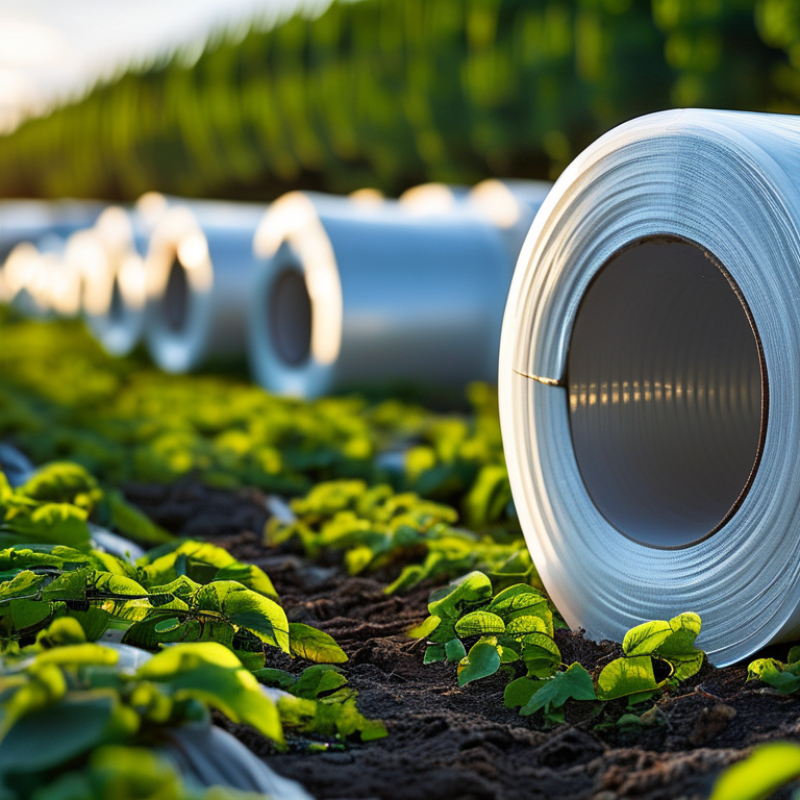
Top 10 Uses of Pe Film Material for Global Buyers?

Overview of PE Film Material and Its Properties

Polyethylene (PE) film material is essential in various industries due to its versatile properties. Known for its strength and durability, PE film is lightweight yet has excellent tensile strength. This material resists moisture, chemicals, and UV radiation, making it ideal for packaging and protection. Its flexibility allows for diverse applications, from agricultural covers to food wrapping.

When working with PE film, it’s crucial to consider its thickness. Thicker films generally offer better protection but may limit flexibility. Choosing the right thickness depends on your specific needs. For example, consider how the film will be used—whether for heavy-duty applications or light packaging.

Tip: Always test different PE film types before mass production. Small-scale tests can help identify the best option for your application. Also, keep environmental impacts in mind. While PE is immensely useful, explore recycling options and biodegradable alternatives that can minimize waste.

Ultimately, understanding PE film properties is essential for effective use in any project. Consider potential limitations and how they could affect your outcomes. Conducting thorough research is vital. This approach ensures you are making informed decisions for the best results.

Top 10 Uses of PE Film Material for Global Buyers

Use Case Industry Key Properties Benefits
Packaging Food and Beverage Lightweight, moisture-resistant Enhances shelf life, reduces waste
Shrink Wrap Retail Elastic, durable Protects products, minimizes tampering
Agricultural Film Agriculture UV resistant, biodegradable options Improves crop yield, protects plants
Construction Film Construction Waterproof, puncture-resistant Provides moisture barrier, durability
Insulation Electrical Thermal resistant, flexible Improves energy efficiency, safety
Bags and Pouches Consumer Goods Lightweight, customizable Convenient, versatile usage
Protective Film Manufacturing Scratch-resistant, transparent Prevents damage, visibility
Medical Applications Healthcare Biocompatible, sterilizable Safety, hygiene in healthcare
Labels and Stickers Logistics Adhesive, printable surface Clear branding, identification
Fumigation Covers Pest Control Strong, airtight Effective pest management, protection

Common Industrial Applications of PE Film in Packaging

Polyethylene (PE) film has become a cornerstone in packaging applications worldwide. This material is notably valued for its versatility and durability. According to a report by MarketsandMarkets, the global PE film market is projected to reach $31 billion by 2026. Such growth points to the demand across various industries, particularly in food packaging and construction.

In food packaging, PE film serves critical functions. It protects products from moisture, contaminants, and physical damage. For instance, stretch film is commonly used to secure items on pallets, enhancing stability during transportation. Interestingly, around 60% of the PE film produced is used in this sector. However, challenges remain, such as the recycling of this plastic, which often ends up in landfills. This pushes manufacturers to innovate and explore biodegradable options.

Another significant application is in the agricultural sector. PE film plays a key role in greenhouse coverings and mulch films. These applications help regulate temperature and moisture, boosting crop yield. However, the reliance on non-biodegradable films poses environmental concerns. As of 2021, approximately 10 million tons of agricultural plastic waste were generated globally. Finding sustainable alternatives in these applications is crucial for future growth and environmental safety.

Innovative Uses of PE Film in Agriculture and Horticulture

In agriculture and horticulture, PE film material serves vital roles. It enhances crop growth and improves yield quality. PE films help in temperature regulation and moisture retention. Greenhouses often employ these materials to create controlled environments. Studies show that using PE films can increase crop efficiency by up to 25%.

PE films also play significant roles in weed management. They create a barrier that minimizes weed growth. This reduces the need for chemical herbicides, promoting more sustainable practices. A report from industry experts indicates that using PE films can cut herbicide use by 30%. Yet, the environmental impact of plastic waste from PE films poses a concern. Farmers are urged to explore recycling options to mitigate this issue.

The versatility of PE film extends to pest control as well. The films can be treated with UV stabilizers, enhancing their lifespan. Yet, the effectiveness of these treatments often varies across different environments. Innovations are needed to improve the durability and efficiency of PE films in varied agricultural conditions.

Environmental Considerations and Recycling Options for PE Film

Polyethylene (PE) film plays a significant role in various industries. However, its environmental impact raises concerns. This material, widely used in packaging, is often non-biodegradable. It poses risks to wildlife and ecosystems if not managed properly. Therefore, understanding its recycling options is crucial.

Recycling PE film is often more complex than traditional materials. Many recycling facilities do not accept it due to contamination issues. This creates a gap in effective waste management. Awareness of local recycling programs can help mitigate this. Some facilities are beginning to accept clean, dry PE films, offering more options for consumers.

Additionally, many manufacturers are exploring ways to produce biodegradable alternatives. The shift towards sustainable practices is essential. Challenges remain, but educating consumers and industries can facilitate better recycling habits. This effort can lead to a significant reduction in plastic waste and its environmental footprint.

Future Trends in PE Film Technology and Market Demand

The global market for polyethylene (PE) film is undergoing significant changes driven by innovation and sustainability. According to industry reports, the PE film market is projected to exceed $43 billion by 2025. This growth reflects a rising demand across various sectors, particularly in packaging, agriculture, and protective coverings.

Sustainability trends are reshaping PE film technology. Producers are focusing on bioplastics and recyclable materials. Recent studies indicate that 60% of consumers prefer eco-friendly packaging solutions. Additionally, advancements in barrier properties are enhancing the performance of PE films. These changes not only improve product safety but also support environmental goals.

However, challenges remain. Issues regarding recycling and waste management persist in the industry. Many companies are still figuring out how to effectively implement circular economy practices. A report from a leading market analysis firm notes that 30% of PE films are not recycled, highlighting the industry’s struggle to address sustainability fully. The ongoing shift towards biodegradable and eco-conscious options presents both opportunities and reflections on current production methods.

Top 10 Uses of PE Film Material

FAQS

: What are the main properties of PE film material?

: PE film is strong, durable, and lightweight. It resists moisture, chemicals, and UV radiation.

Why is the thickness of PE film important?

Thicker films provide better protection but can limit flexibility. Your needs determine the right thickness.

How can PE film be tested for suitability?

Conduct small-scale tests before mass production. Testing helps identify the best film for your application.

What benefits does PE film provide in agriculture?

PE film enhances crop growth, regulates temperature, and retains moisture. It can increase crop efficiency significantly.

How does PE film contribute to sustainable practices?

PE films reduce weed growth, minimizing the need for chemical herbicides. This promotes more sustainable farming methods.

What are the recycling challenges associated with PE film?

Many recycling facilities don’t accept PE film due to contamination. This complicates effective waste management.

Are there alternatives to traditional PE film?

Some manufacturers are working on biodegradable options. The goal is to minimize environmental impact.

Why should farmers explore recycling options for PE film?

Recycling can reduce plastic waste, helping protect wildlife and ecosystems. Awareness of local programs is crucial.

How does the effectiveness of UV stabilizers vary?

Treatments can enhance durability, but their effectiveness differs across environments. Continuous innovation is needed.

What should consumers understand about PE film's environmental impact?

PE film is often non-biodegradable. Education on recycling is vital to reduce plastic waste.

Conclusion

PE film material, known for its versatility and durability, plays a crucial role in various industrial sectors. In packaging, it is commonly used for wrapping, protecting, and preserving products due to its excellent barrier properties. Additionally, its innovative applications in agriculture and horticulture, such as greenhouse covers and crop protection films, highlight its importance in enhancing yield and sustainability.

As environmental concerns rise, understanding the recycling options for PE film material becomes essential. Efforts to improve recycling processes and reduce waste are gaining traction. Looking ahead, advances in PE film technology promise to drive market demand, with trends focusing on biodegradable alternatives and enhanced functional properties to meet both consumer and industry needs. The continued evolution of this material underscores its significance in modern applications while addressing ecological impacts.

Mason

Mason

Mason is a seasoned marketing professional with a deep expertise in the company's offerings and a passion for driving brand awareness. With a strong background in digital marketing strategies, he has an innate ability to connect with diverse audiences and effectively communicate product benefits.......