What is Urine Drainage Bag Film and Its Benefits?

Time:2026-05-25 Author:Henry
0%

Urine Drainage Bag Film is an essential component in medical settings. It plays a vital role in managing urinary output for patients with various health conditions. This film provides a protective layer that ensures safety and hygiene, making it a critical element in urinary management.

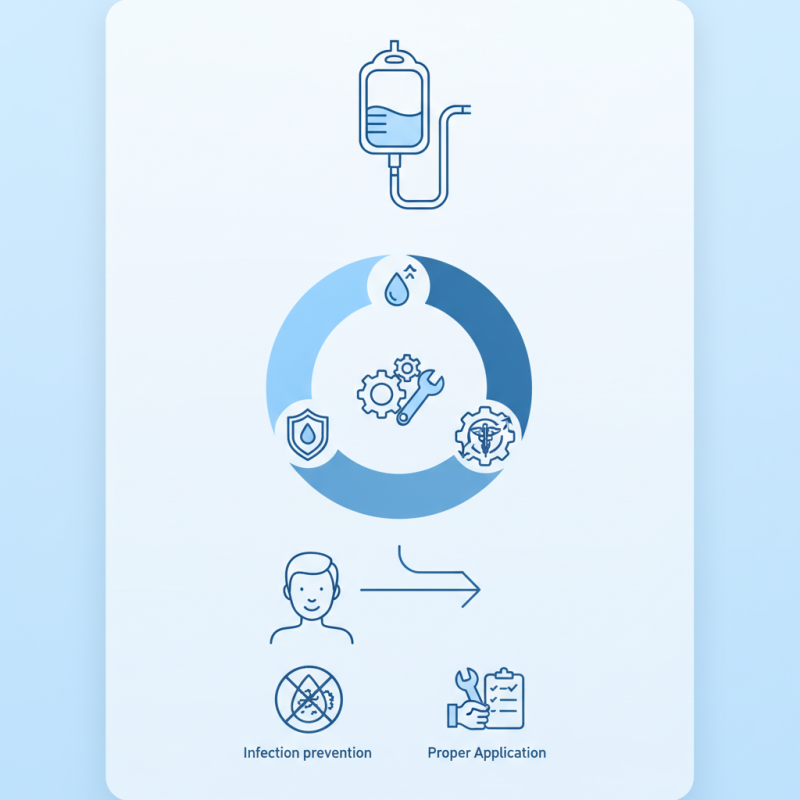
The benefits of using Urine Drainage Bag Film are numerous. It helps to prevent leaks, thus reducing the risk of infections. Additionally, the film is designed to be durable and easy to use, simplifying the process for both patients and caregivers. However, while it seems straightforward, there are challenges in ensuring proper application and maintenance.

Healthcare professionals must understand the intricacies of Urine Drainage Bag Film. Adequate training is essential for effective usage. Despite its advantages, some may overlook the importance of following guidelines. This oversight can lead to complications. Continued education and awareness are necessary to maximize the benefits of this vital medical product.
What is Urine Drainage Bag Film and Its Benefits?

What is a Urine Drainage Bag Film?

A urine drainage bag film is an essential component in medical settings. It is a specialized material designed to hold and contain urine. This film plays a crucial role in ensuring hygiene and comfort for patients with urinary catheters. It is thin, yet durable, providing a barrier against leakage. Many users appreciate its lightweight nature, making it easier to manage.

The benefits of using a urine drainage bag film extend beyond simple containment. This film helps prevent infections by minimizing exposure to waste. Additionally, it allows healthcare providers to monitor urine output effectively. Patients can experience less anxiety knowing they are using a safe and reliable system. However, not all films are created equal. Some may tear easily or not adhere properly, leading to possible discomfort.

Proper education on the use of urine drainage bag films is vital. Healthcare professionals should guide patients on how to position and maintain their bags. There is room for improvement in user experience and design. Finding the right film can be challenging, especially for those with unique needs. Effective communication between patients and caregivers can bridge this gap.

Key Materials Used in Urine Drainage Bag Production

Urine drainage bags are essential in medical care, especially for patients with urinary issues. The film used in these bags plays a crucial role in their effectiveness. It's made from high-quality materials that ensure durability and functionality. Commonly, polyethylene and polyvinyl chloride (PVC) films are used. These materials are strong and resistant to punctures, which minimizes the risk of leakage.

The production of urine drainage bags involves careful selection of materials. These films must adhere to strict medical standards. They should be impermeable to liquids while remaining flexible for ease of use. Additionally, the surface of the film can be treated to enhance compatibility with skin, preventing irritation for long-term wearers. However, not all films are created equally. Some may degrade faster, leading to potential complications.

It's essential to assess the materials used in these bags thoughtfully. Users deserve reliable products that prioritize safety and comfort. While advancements are made in film technology, there’s room for improvement. Continuous research is needed to enhance the reliability of urine drainage bags. Balancing quality with cost is a challenge that manufacturers face. Each decision impacts patient care directly.

The Benefits of Urine Drainage Bags in Medical Settings

Urine drainage bags play a vital role in medical settings. They help manage urinary incontinence and provide comfort to patients. These bags are particularly useful for individuals recovering from surgery or dealing with chronic conditions. They enable a secure way to collect urine, reducing the risk of leaks and skin irritation.

In hospitals, urine drainage bags help maintain hygiene. Nurses can easily monitor urine output, which is crucial for assessing patient health. The material used in these bags is designed to minimize bacterial growth, ensuring safety. However, some patients may experience discomfort or feel self-conscious about using them. This aspect needs consideration during patient care.

Proper usage and maintenance of urine drainage bags are essential. Failure to replace them timely can lead to infections. Healthcare professionals must be trained to address such concerns sensitively. Open communication with patients is necessary to build trust. They need reassurance about the necessity of these devices. While urine drainage bags offer significant benefits, their implementation requires careful thought and attention to individual patient needs.

Benefits of Urine Drainage Bags in Medical Settings

Industry Standards and Regulations for Urine Drainage Bags

Urine drainage bags are vital in healthcare settings, designed to collect urine from patients who cannot use bathrooms. Industry standards govern their design, materials, and safety features. The International Organization for Standardization (ISO) has set specifications that these bags must meet to ensure safety and functionality. These regulations aim to minimize infection risks and enhance patient comfort.

The FDA reports indicate that improper design can lead to complications like urinary tract infections (UTIs). A study from the Journal of Urology highlights that 25% of patients with indwelling catheters develop UTIs, often due to inadequate drainage solutions. Regular audits of urine drainage systems are necessary to ensure compliance with these standards. This includes monitoring for leaks or blockages that could compromise patient care.

Standards also encompass materials used in production. Biocompatibility is a primary concern. Thus, manufacturers must use materials that do not cause adverse reactions. Packaging regulations require clear labeling of expiry dates and proper disposal instructions. Such guidelines aim to improve overall healthcare outcomes but require more consistent adherence across facilities. Regular updates to these regulations reflect ongoing research and emerging needs in clinical practices.

Innovations and Future Trends in Urine Drainage Bag Technology

Urine drainage bags have seen significant advancements in recent years. Innovations focus on user comfort and ease of use. For example, some new designs feature anti-reflux valves to prevent backflow. This improvement enhances hygiene and reduces infection risks. Furthermore, lightweight materials are now common. These materials improve portability and make daily tasks easier for users.

Future trends hint at more personalized solutions. Smart technology integration could track fluid output and alert users. This might assist in better health management. However, questions around privacy and data security arise. Developers must address these concerns while creating advanced features. Sustainability is another area to explore. Eco-friendly materials are gaining traction. Still, the challenge remains on how to maintain quality while being environmentally responsible.

Despite these advancements, there are hurdles to overcome. Cost remains a significant factor for many users. Innovative designs may not always be affordable. Continuous research and collaboration with healthcare professionals are crucial. Gathering feedback from users can guide better designs. Recognizing the imperfections in current products helps prioritize future enhancements. The journey towards more efficient urine drainage solutions is ongoing, revealing both challenges and opportunities.

What is Urine Drainage Bag Film and Its Benefits? - Innovations and Future Trends in Urine Drainage Bag Technology

Feature Description Benefits Future Trends
Material Medical-grade polymer Durability and biocompatibility Sustainable materials innovation
Anti-reflux Mechanism Design prevents backflow of urine Reduces risk of infection Integration of smart sensors for monitoring
Capacity Varies from 500ml to 2000ml Flexibility for different patient needs Customizable sizes for specific applications
Ventilation Built-in air vent system Prevents vacuum formation Development of eco-friendly venting solutions
Disposability Single-use designs Ensures hygiene and safety Research on biodegradable materials

FAQS

: What materials are commonly used in urine drainage bags?

: Polyethylene and polyvinyl chloride (PVC) films are commonly used. They ensure strength and resistance to punctures.

Why is the selection of materials important in urine drainage bags?

The right materials must meet strict medical standards. Impermeability and flexibility are crucial for user comfort.

What issues can arise from using inferior film materials?

Inferior films may degrade quickly. This could lead to complications like leaks or skin irritation.

How do industry standards improve urine drainage bags?

Standards regulate design, materials, and safety features. These are aimed at minimizing infection risks and enhancing comfort.

What complications can arise from improper design of urine drainage bags?

Improper design can lead to urinary tract infections (UTIs). Studies show many patients develop UTIs due to inadequate drainage.

Why is regular auditing of urine drainage systems necessary?

Audits ensure compliance with safety standards. Monitoring for leaks or blockages is critical for patient care.

What is a key concern regarding materials used in urine drainage bags?

Biocompatibility is essential. Materials should not cause adverse reactions over long-term wear.

How does clear labeling benefit urine drainage bag users?

Clear labeling provides essential information on expiry dates and proper disposal. This helps improve healthcare outcomes.

What challenge do manufacturers face in producing urine drainage bags?

Manufacturers balance quality with cost. Each decision impacts the reliability and safety of patient care.

What should be considered for continuous improvement in urine drainage bags?

Continuous research is needed to enhance reliability. New advancements are beneficial, but issues still require thoughtful attention.

Conclusion

Urine Drainage Bag Film is a specialized material designed for the production of urine drainage bags, which are essential in medical settings for the safe collection and disposal of urine from patients. The film is typically made from high-quality polymers that offer durability, flexibility, and resistance to leakage, ensuring patient comfort and hygiene.

The benefits of using urine drainage bags include improved patient management in hospitals and other healthcare facilities, promotion of mobility without compromising safety, and adherence to stringent industry standards and regulations to maintain health and safety protocols. As technology advances, innovations in urine drainage bag design and materials are emerging, aiming to enhance functionality and user experience further, thus shaping the future of urinary management solutions.


Henry

Henry

Henry is a dedicated marketing professional with a profound expertise in the company's offerings. With years of experience in the industry, he possesses an impressive understanding of the market dynamics and consumer behaviors that drive success. Henry is committed to sharing his insights through......