In today's world, Transparent Colored Plastic Film plays a vital role in many aspects of daily life. According to industry expert Dr. Emily Carter, “This film is not only functional but also adds an artistic touch.” Its applications range from packaging to craft and design, demonstrating versatility.
This film enhances products' visual appeal and protects them from damage. For instance, you find it in vibrant food wrappers or colorful gift bags. These simple items are often overlooked. Yet, they significantly influence consumer behavior and emotions. People connect with colors, and this connection can lead to better sales.
However, the impact of Transparent Colored Plastic Film goes beyond aesthetics. There are environmental concerns to consider. Recycling and sustainability remain challenging areas. As we embrace its uses, we must also reflect on the consequences of plastic waste. Balancing beauty with responsibility is crucial in our choices.
Transparent colored plastic film is a versatile and creative medium for arts and crafts. Many artists appreciate its vibrant hues and flexibility. You can use it to create stunning window displays. Layering different colors can produce beautiful light effects. This simple technique engages viewers and enhances any art installation.
In home crafts, these films are perfect for DIY projects. Imagine creating colorful lanterns or decorative overlays for picture frames. The translucence allows light to shine through beautifully. Children can also enjoy crafting with these films. Simple projects like making bookmarks or collages stimulate creativity. It’s an excellent way for kids to explore colors and shapes.
However, working with colored plastic film isn't always perfect. It can be challenging to cut without fraying. Sometimes, adhesives don’t hold as expected, leading to frustration. Artists must experiment with techniques, often taking time to perfect projects. Each mistake, while annoying, can lead to unique outcomes. Embracing imperfection can inspire fresh ideas and innovative designs.
Colored plastic film can transform home spaces with creativity. It’s not just for crafts; it has vibrant decorative potential. You can use it to decorate windows, allowing colored light to filter through. This creates a warm ambiance, making any room feel cozier.
Applying colored plastic film to plain furniture adds a modern twist. Dresser drawers or shelves can pop with dazzling colors. Try wrapping the edges for a unique look. It might be imperfect, but that adds character. Embrace the flaws; they tell a story.
Tips for using colored films: Start with small projects. This way, you can test your skills without overwhelming yourself. Experiment with layering different colors. The result can be a stunning visual effect. Don’t hesitate to change your ideas if they don’t work out the first time. Adjust and adapt; that’s part of the creative journey.
Transparent colored plastic film plays a vital role in packaging solutions. It enhances product visibility while protecting items from damage. This film is lightweight and durable, making it ideal for various applications. Grocery stores use it to wrap fresh produce. Colorful films catch the eye and increase sales. They also preserve freshness, thanks to their barrier properties.
Tips: Consider the thickness of the film when choosing for your packaging needs. Thicker films provide better protection but might be less flexible. A good balance is key to efficiency.
Another common use is in food packaging. Takeaway containers often utilize colored film for both aesthetic appeal and safety. It keeps food secure while allowing customers to see what they are buying. Sometimes, this type of film can trap moisture. That can lead to soggy food, so balance is important.
Tips: Always check for proper sealing when using colored film. A weak seal can compromise food safety. Proper application ensures freshness and customer satisfaction.
| Application | Description | Benefits |
|---|---|---|
| Food Packaging | Used to wrap perishable items to enhance visibility and shelf life. | Preserves freshness, provides UV protection, and attracts consumers. |
| Craft Projects | Ideal for making colorful decorations and art projects. | Increases creativity and provides aesthetic variety. |
| Window Films | Used in homes and cars to reduce glare and enhance privacy. | Improves comfort, energy efficiency, and protects interiors. |
| Stationery Products | Used to create colorful binders, folders, and covers. | Enhances organization and personal expression. |
| Gift Wrapping | Provide a vibrant appearance for gifts and presents. | Adds a special touch and customization to gift presentation. |
| Labeling | Used for colorful and attractive product labels. | Increases brand visibility and consumer appeal. |
| Home Decor | Used in creating decorative window panes and lampshades. | Adds color and ambiance to living spaces. |
| Photography and Art Displays | Used as filters and protective layers for artworks. | Enhances aesthetic appeal while providing protection. |
| Promotional Materials | Used in brochures, banners, and displays. | Increases engagement and attracts attention to advertising. |
| Medical Applications | Used for sterile packing of medical instruments. | Ensures safety and compliance with health standards. |
Transparent colored plastic films play a significant role in educational tools and activities. They are commonly used in classrooms to enhance lessons, making learning more interactive. For instance, teachers often use these films on overhead projectors. The colors can highlight important information or differentiate between concepts. This makes it easier for students to grasp complex subjects.
Moreover, these films can be used for hands-on activities. Students can create layered artwork by combining different colored films. This not only sparks creativity but also teaches them about color mixing and layering. However, there are challenges. Some students may struggle to see the colors clearly under poor lighting. Others might find the materials hard to work with. These are areas for improvement in using colored films effectively in education.
In science experiments, transparent colored films can demonstrate principles such as light filtering or absorption. Students can engage in discussions about how colors affect perception and mood. Yet, not every student may feel involved. Some might find the activities confusing or unengaging. Continuous feedback is vital to enhance the learning experiences using these tools.
Colored plastic films are increasingly utilized in protective gear and safety equipment. This is particularly relevant in workplaces where visibility is critical. According to a report from the Occupational Safety and Health Administration (OSHA), high-visibility gear reduces accidents by up to 40%. Colors like bright orange and yellow enhance visibility in low-light conditions. These colored films are lightweight and can be easily integrated into various gear, from helmets to vests.
The durability of these films is another critical factor. Industry data points out that protective gear made with colored plastic films can withstand harsh environments. They resist chemicals, abrasions, and even UV rays. However, not all films perform equally. Some may degrade faster than expected, which can compromise safety. It’s vital for users to check the specifications before relying on them.
While there are many advantages, the potential for misuse also exists. For instance, some may opt for low-quality alternatives, thinking they are saving money. This can lead to severe safety risks. Users must prioritize quality over cost in protective gear. Investing in reliable colored plastic films can indeed make a life-saving difference in high-risk environments.
: They enhance lessons and make learning interactive. Colors highlight information and differentiate concepts.
Students can create layered artwork. This teaches them about color mixing and sparks creativity.
Some students may struggle with visibility in poor lighting. Others find the materials difficult to work with.
They demonstrate light filtering and absorption principles, promoting discussions about color effects.
It helps enhance learning experiences. Some students may feel confused and unengaged during activities.
They improve visibility, reducing accidents in workplaces. Bright colors enhance safety in low-light conditions.
Not all perform equally; some may degrade faster. Users should check specifications to ensure safety.
They can compromise safety and lead to severe risks. Quality should be prioritized over cost in safety gear.
High-visibility gear can reduce accidents by up to 40% in critical visibility situations.
Visibility issues and performance consistency are common concerns. These areas need continuous reflection and improvement.
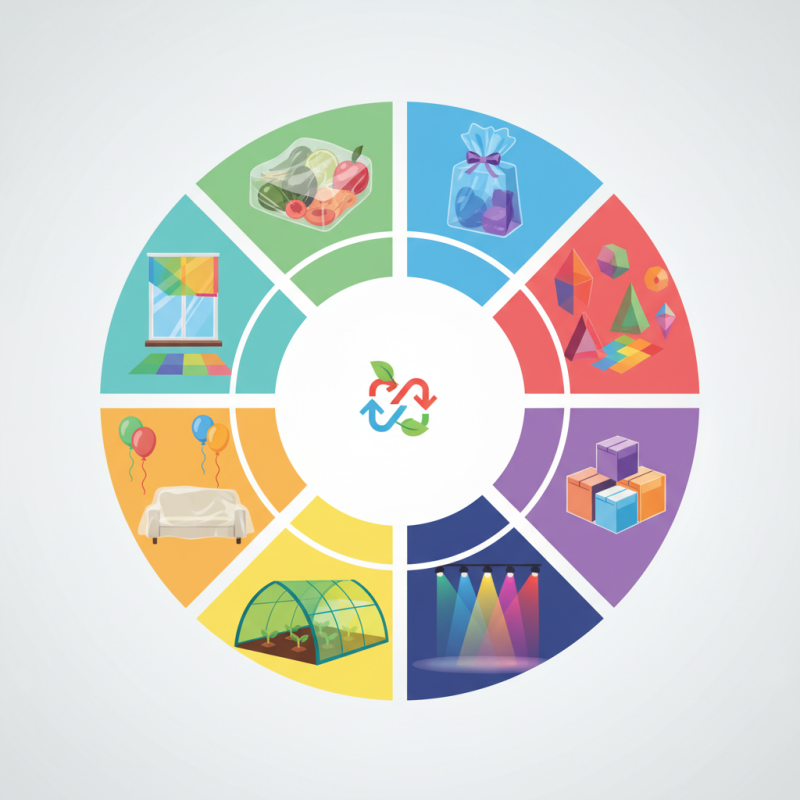
Transparent Colored Plastic Film is a versatile material that finds applications across various aspects of daily life. In the realm of arts and crafts, it serves as a medium for creativity, allowing for vibrant displays and innovative projects. Home decoration has also embraced this film, offering unique design opportunities that enhance aesthetic appeal. Additionally, it plays a vital role in packaging solutions, providing practical and attractive ways to present products.
Beyond its decorative and packaging uses, Transparent Colored Plastic Film significantly impacts education by being incorporated into teaching tools and activities that engage students. Furthermore, it contributes to safety by being utilized in protective gear and equipment, ensuring enhanced visibility and safety for the users. Overall, this multifunctional material is essential in enriching both creative and practical aspects of everyday life.

Dahai Plastic