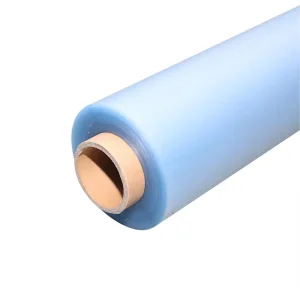
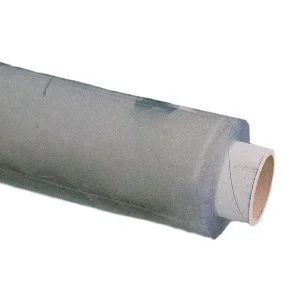
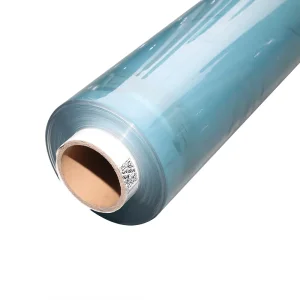
The global wholesale plastic factory landscape is undergoing a paradigm shift. In 2025, the demand for polymer materials—particularly Polyvinyl Chloride (PVC), Polyethylene (PE), and specialized medical-grade resins—is projected to grow by 4.2% CAGR. As industries from healthcare to automotive seek more resilient supply chains, the role of a centralized "Plastic Manufacturing Hub" has never been more critical.
Today, the industrial application of plastics is no longer just about mass production; it is about material science innovation. Global enterprises are prioritizing factories that offer a blend of "High Output" and "Low Environmental Impact." From the surge in SPC (Stone Plastic Composite) flooring in the construction sector to the critical need for sterilized PVC films in medical drainage systems, the "Plastic Factory" is the engine of modern lifestyle and infrastructure.
Post-pandemic recovery has taught global buyers the importance of diverse yet centralized manufacturing. Our factories bridge the gap between raw material sourcing and finished product logistics.
The precision required for medical disposables (like urine bags and feeding bags) has forced factories to upgrade to ISO 13485 standards and clean-room production environments.
Modern factories are adopting AI-driven temperature control for extrusion lines, reducing energy consumption by 15-20% while maintaining thermal stability for PVC resins.
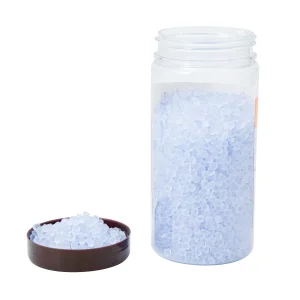
China remains the epicenter of plastic manufacturing due to its "Integrated Supply Chain." **Jiangsu Dahai Plastics Co., Ltd.**, founded in 1996, exemplifies this advantage. By controlling the entire process from particle compounding to high-precision film printing, Chinese factories offer an Information Gain that western counterparts often lack: the ability to customize molecular weight and plasticizer ratios on the fly.
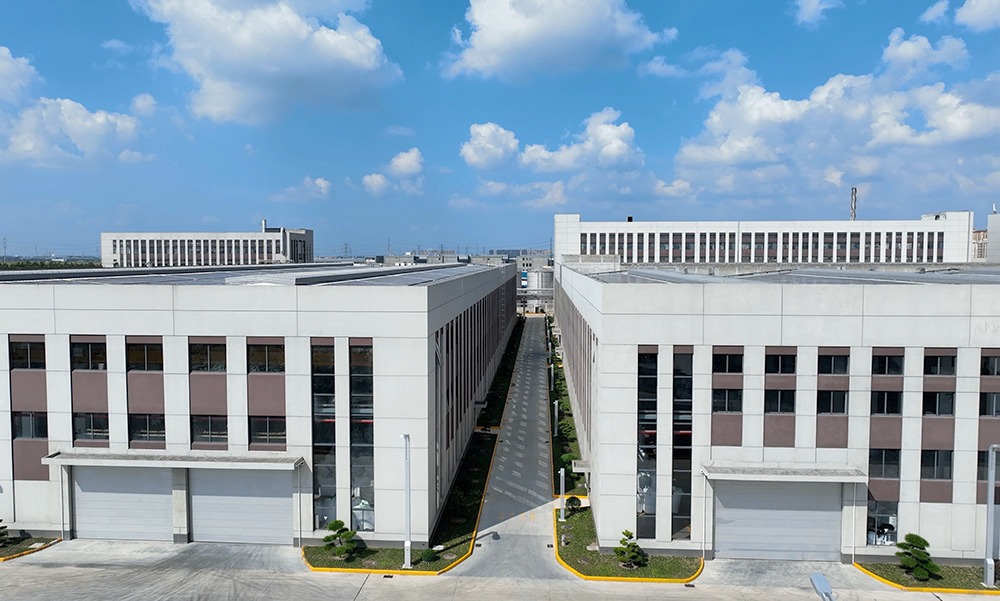
With over 28 years of expertise, Dahai Plastics has scaled into a titan of the industry. The company operates more than 20 advanced production lines, employing 450+ professionals. Covering 120,000 square meters, our facility produces 100,000+ tons annually, generating sales exceeding 1 billion RMB. This scale allows for a "Wholesale" pricing structure that is unattainable for smaller factories, combined with a technical management team (30% of staff) that ensures E-E-A-T principles are met at every micron.
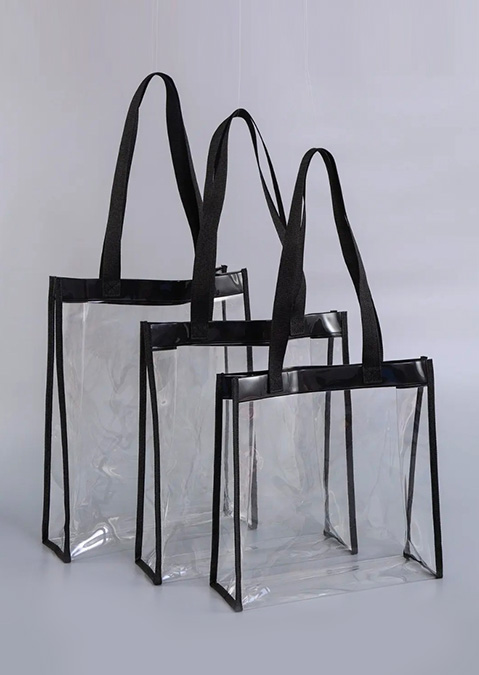
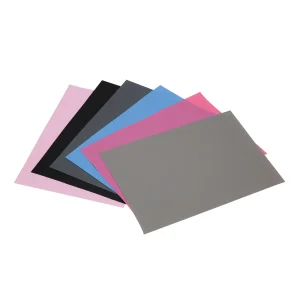
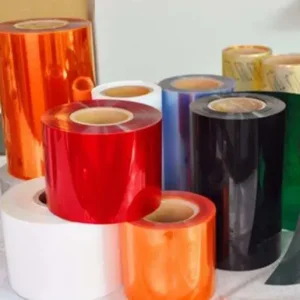
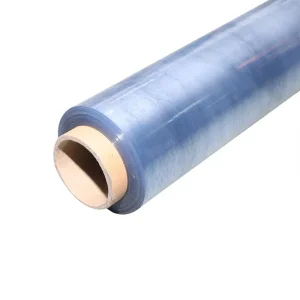
High-transparency PVC films used for luxury packaging, daily necessities, and waterproof raincoats. Focused on tensile strength and aesthetic clarity.
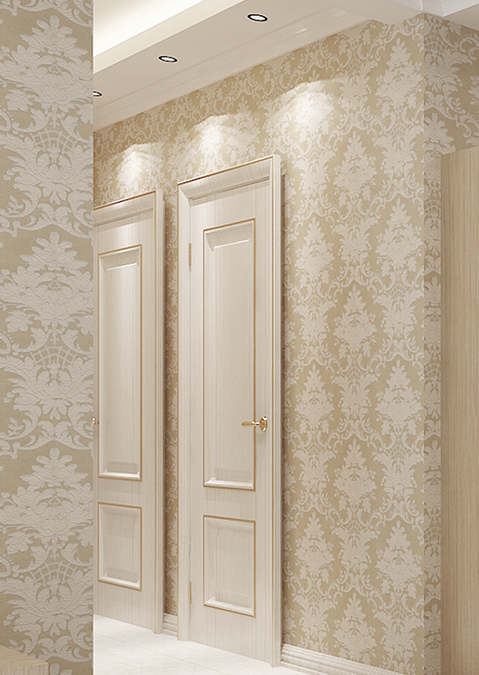
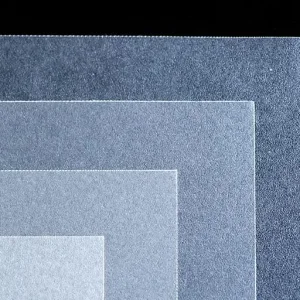
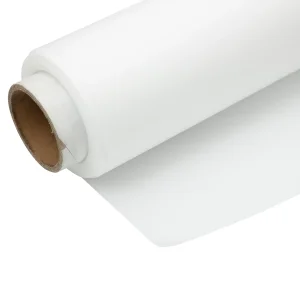
SPC flooring wear layers and rigid PVC sheets for building materials. These require high UV resistance and structural integrity over decades.
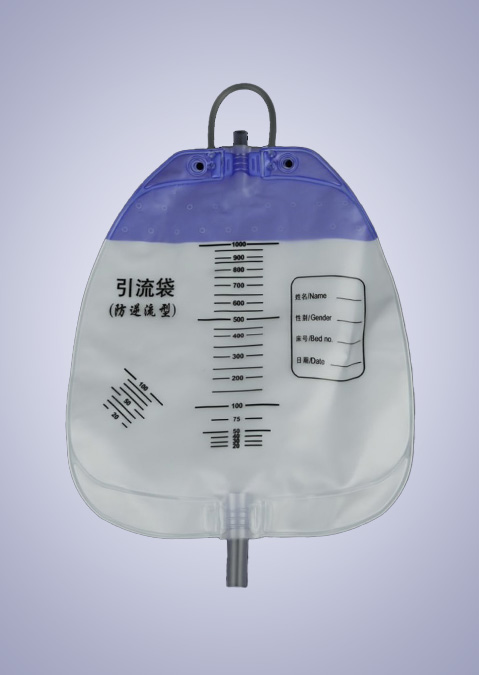
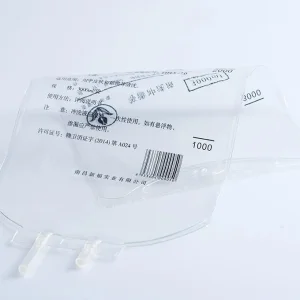
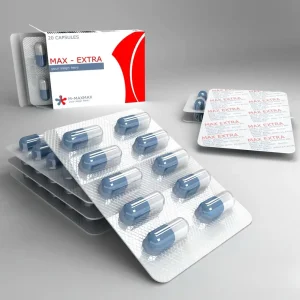
Critical production of urine bags and enteral feeding bags. Utilizing non-toxic, medical-grade PVC that meets stringent EN-71 and RoHS standards.
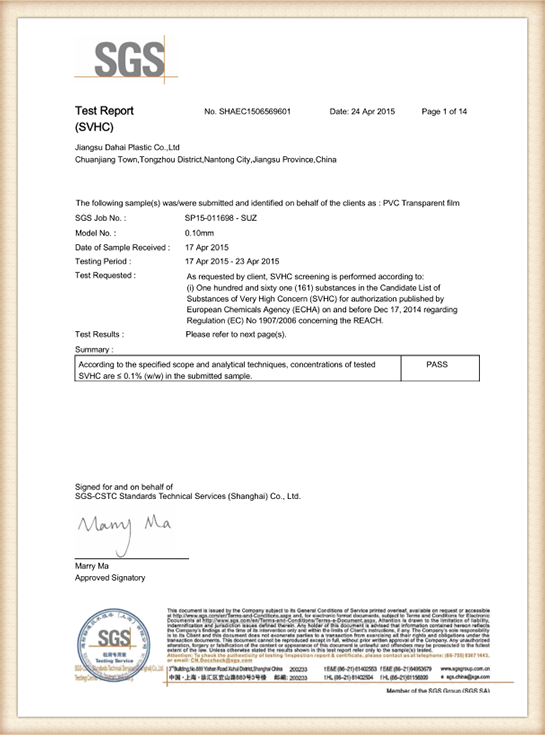
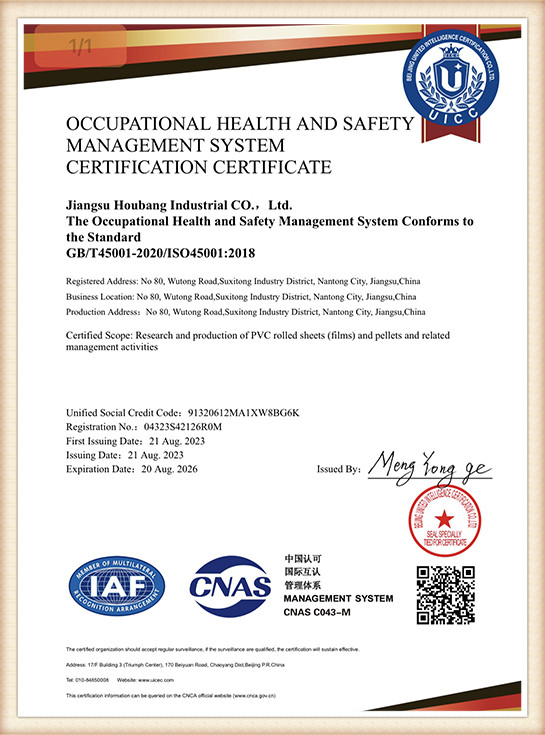
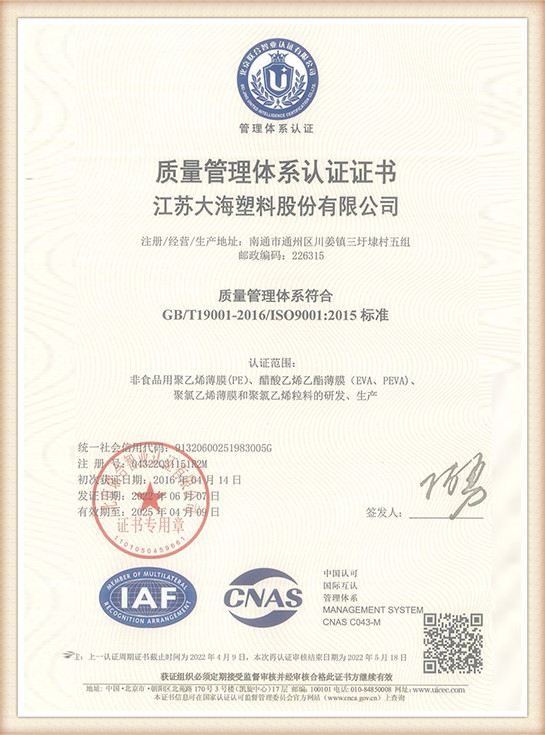
Quality in a **plastic factory** isn't just about the final look; it’s about chemical stability. Jiangsu Dahai Plastics operates laboratories accredited by the China National Commission for Conformity Assessment (CNAS). Our testing suite includes Agilent GC analyzers for chemical purity, universal testing machines for mechanical durability, and gloss meters for optical precision.
EN-71, ASTM-F-963, CONEG, and RoHS. Every batch is traceable back to the raw resin supplier.
Partnerships with top university research teams to develop "Intelligent New Medical Materials."
20+ imported environmental protection production lines featuring real-time thickness monitoring and automated defect detection.
For the savvy global buyer, the future of plastic procurement involves three key pillars:
Jiangsu Dahai is already pivoting toward these trends by proposing an "Intelligent Manufacturing Project" for medical materials, aiming to boost annual export earnings and reach a market share that dominates both domestic and international sectors.
 Dahai Plastic