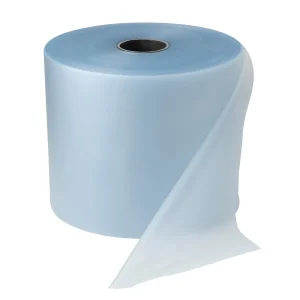
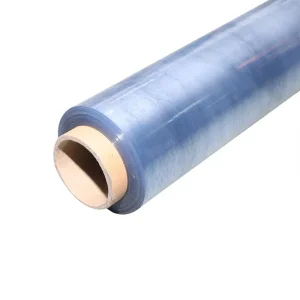
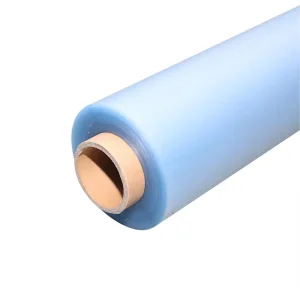
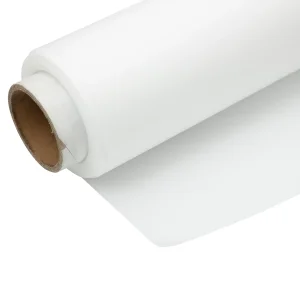
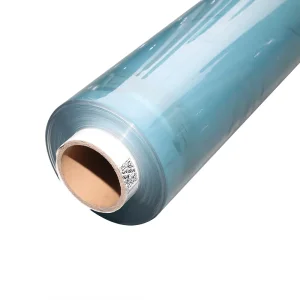
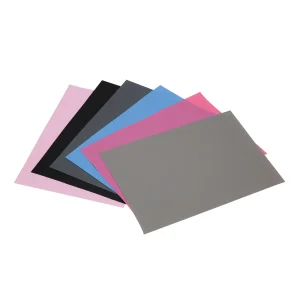
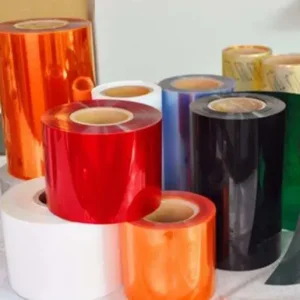
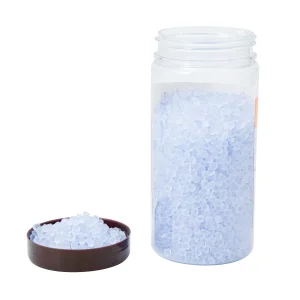
Explore our premium grade plastic rolls, films, and polymers engineered for industrial, medical, and commercial applications.

Analyzing the macro trends, supply chain dynamics, and regulatory landscape shaping the polymer film industry.
The global market for clear plastic rolls—comprising Polyvinyl Chloride (PVC), Polyethylene (PE), Ethylene-Vinyl Acetate (EVA), and rigid polymer sheets—has seen unprecedented demand. Driven by rapid transformations in medical logistics, packaging efficiency, and architectural protective surfaces, clear roll products are now critical resources in modern manufacturing. Historically, North American and European markets relied heavily on domestic production. However, over the past decade, a major shift toward high-performance, cost-effective manufacturing hubs in China has redefined international supply channels.
Today, clear plastic rolls serve as the foundational material for products ranging from high-precision medical enteral feeding systems and fluid drainage bags to structural building components such as SPC wear layers and laminated glass interlayers. The balance between flexibility, clarity, mechanical resilience, and biological inertness dictates the value of these materials, pushing manufacturers to innovate constantly at the molecular level.

"According to recent industrial forecasts, the global flexible PVC and polymer film market is projected to expand at a CAGR of 5.2% over the next decade. High-transparency clear sheets and biocompatible PVC medical-grade films constitute the fastest-growing sub-sectors within this expansion."
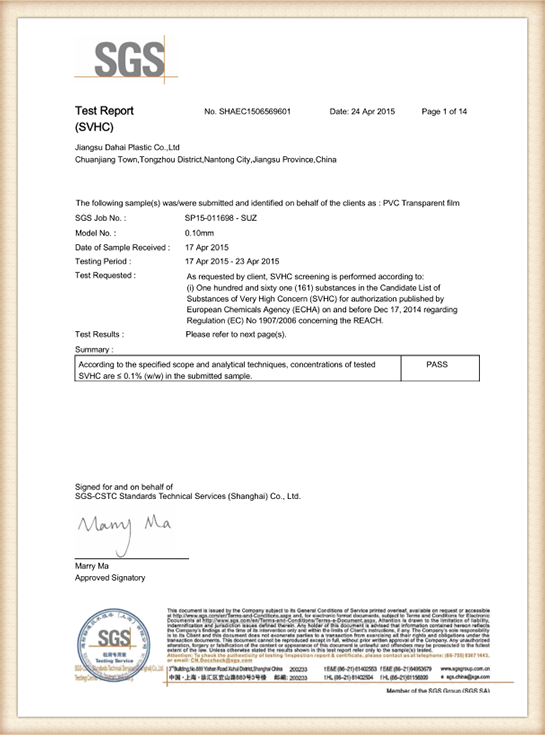
Modern procurement strategies are heavily influenced by regulatory criteria. Global compliance mandates—specifically the European Union’s REACH regulation and RoHS directive, the United States' ASTM-F-963 toy safety specifications, and the Model Toxics in Packaging Legislation (CONEG)—have made strict quality control standard practice. High-tier clear film manufacturers must use advanced plasticizers (such as DOTP, DINP, or bio-based alternatives) rather than restricted phthalates to guarantee that clear films remain non-toxic, safe for skin contact, and suitable for food packaging or medical encapsulation.
Why Jiangsu Dahai Plastics Co., Ltd. represents the peak of modern polymer manufacturing capacity and structural efficiency.
The global dominance of Chinese clear plastic roll manufacturers is not just based on labor cost advantages; it is driven by technological integration, raw material availability, and supply chain synergy. Modern Chinese production hubs combine polymer synthesis, compounding, calendering, and downstream processing into single, streamlined industrial ecosystems. This integration dramatically reduces lead times and minimizes material degradation between processing stages.
Jiangsu Dahai Plastics Co., Ltd., founded in 1996, is a premier example of this manufacturing capability. Over the last 28 years, the company has built a highly integrated manufacturing facility that spans more than 120,000 square meters and employs over 450 staff members, 30% of whom are dedicated technical management and quality control experts.
Dahai’s facility houses over 20 advanced environmental protection production lines, yielding an annual production capacity of 100,000 to 150,000 tons, with annual sales exceeding 180 million USD. By combining advanced polymer compounding with state-of-the-art calenders, Dahai delivers uniform thickness (calibrated down to fractions of a millimeter), excellent optical clarity, and customized flexibility levels. This high-capacity manufacturing infrastructure allows global companies to secure bulk supplies without risking production delays.
How specialized clear plastic roll configurations are developed to meet distinct sector requirements globally.
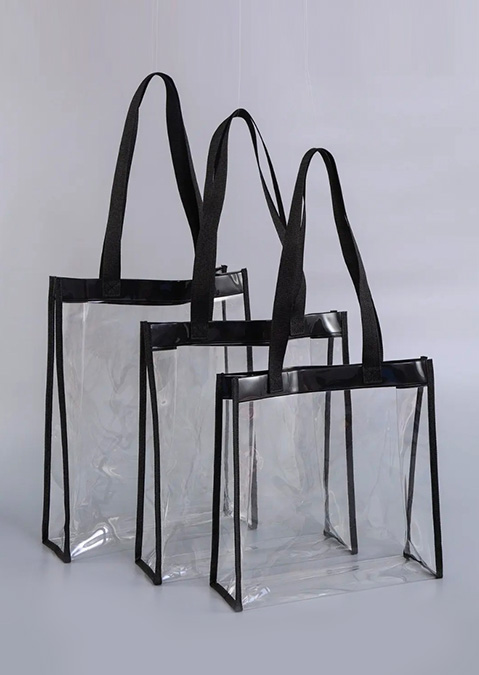


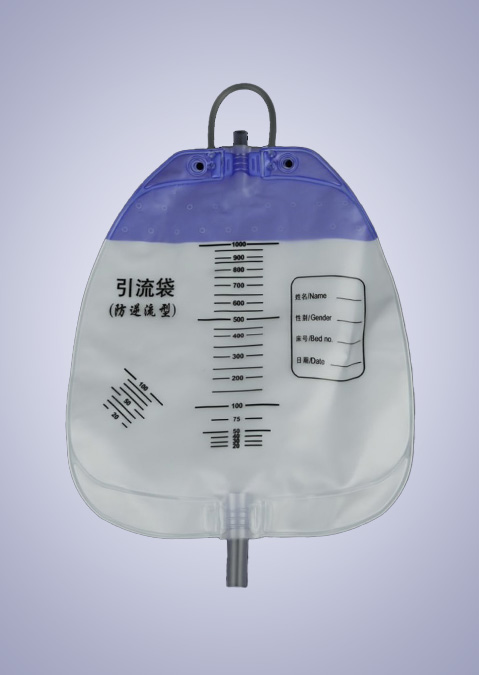
Medical-grade polymer rolls require sterile, high-purity processing conditions. In clinical environments, PVC films are used to manufacture urine bags, ENFIT enteral feeding bags, and chemical containers. These materials must prevent chemical migration and maintain flexibility under low-temperature storage. By collaborating with academic research teams, Jiangsu Dahai Plastics develops specialized polymers that offer high tear resistance and reliable radio-frequency (RF) welding characteristics, helping to ensure leak-free seals in medical bag assembly.
To help engineers and procurement specialists select the right materials, the table below lists the performance parameters of our standard clear PVC roll products:
| Property / Parameter | Standard PVC Roll (Super Clear) | Medical-Grade PVC Film | EVA Laminated Glass Film |
|---|---|---|---|
| Thickness Range | 0.05 mm – 3.0 mm | 0.10 mm – 0.40 mm | 0.38 mm – 1.14 mm |
| Light Transmittance | > 92% | > 88% (Translucent/Clear) | > 90% (Optical Grade) |
| Tensile Strength | ≥ 45 MPa | ≥ 50 MPa | ≥ 25 MPa |
| Hardness (Shore A) | 60A – 90A (Soft to Semi-Rigid) | 65A – 75A (Flexible) | 50A (Elastic) |
| Standard Compliance | RoHS, REACH, CONEG | ISO 10993 (Biocompatibility) | ASTM-F-963, EN-71 |
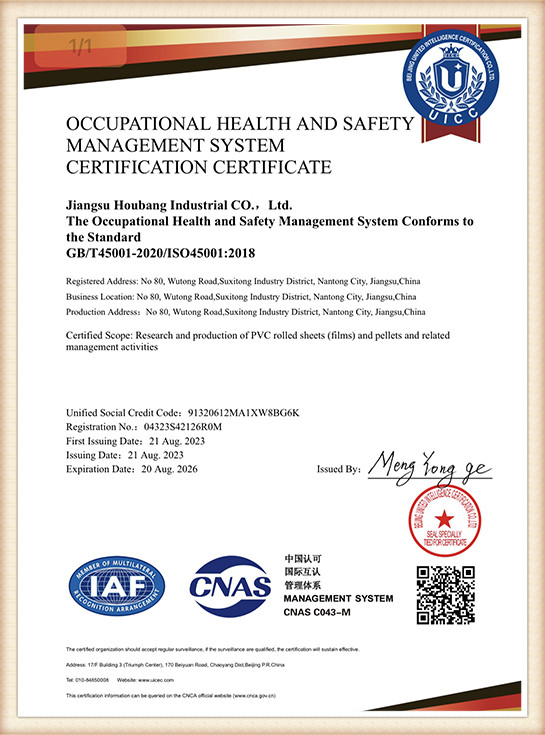
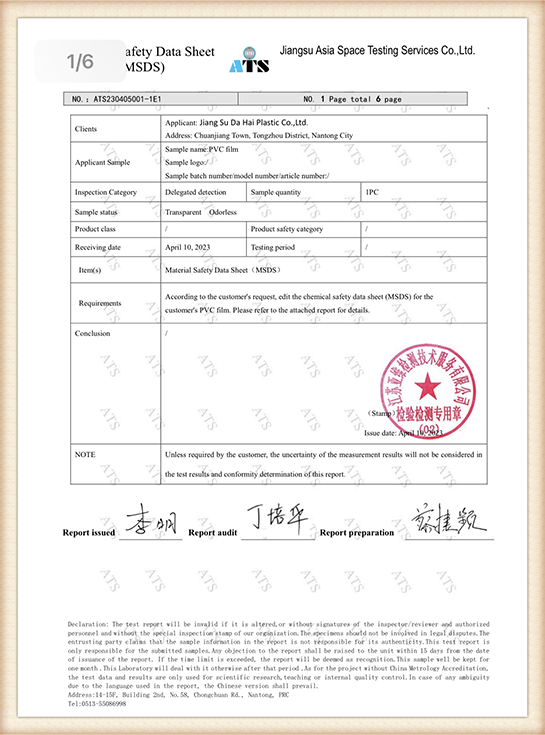
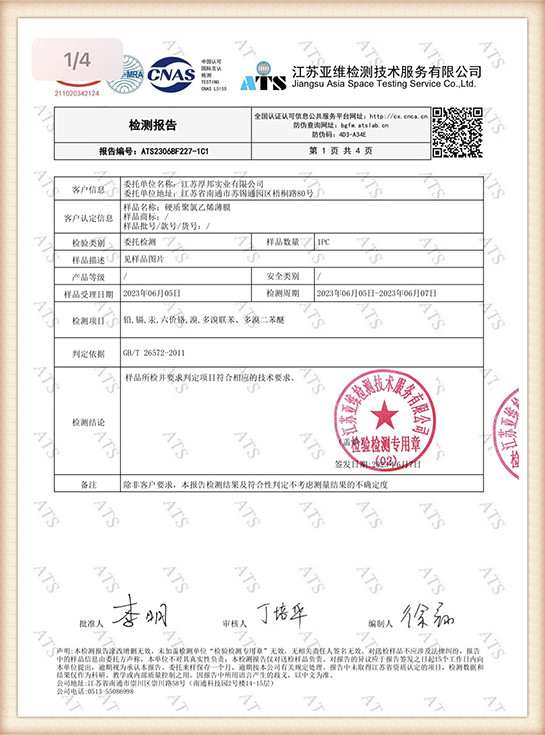
Our quality assurance protocol is based on rigorous testing. We maintain laboratories accredited by the China National Commission for Conformity Assessment (CNAS). These facilities feature advanced physical and chemical testing-analysis systems, including:
This technical infrastructure helps ensure that every batch of clear plastic film shipped to South America, Southeast Asia, Africa, or Europe matches our client-specified standards.
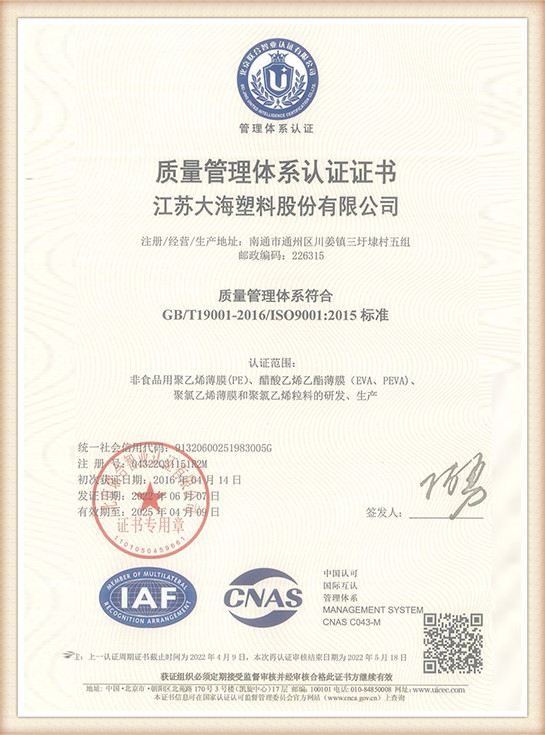
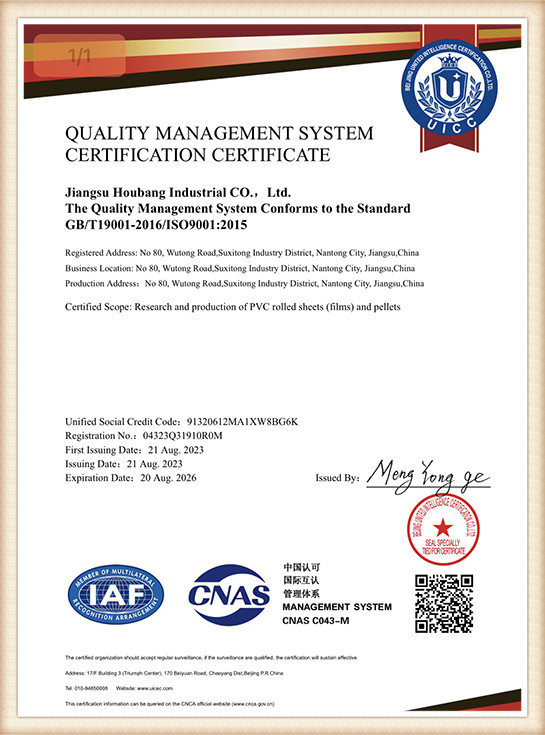
How we align technical innovation with environmental responsibility and customer partnerships.
Make green materials, create a good and healthy life! We focus on sustainable chemistry and reducing environmental impact.
To become the domestic polymer material application industry leader, to build a world-class brand recognized for quality and trust.
Independent innovation, intelligent future. We prioritize people-oriented practices and safety-first manufacturing systems.
Integrity, pragmatic, efficient, win-win. We support our customers' growth through reliable supply agreements and technical support.
Critical considerations for purchasing managers and material engineers sourcing plastic rolls at scale.
The plastic roll industry is moving toward environmental compliance and circular economy models. Research is focused on:
When selecting a supplier for wholesale clear plastic rolls, auditing companies on the following points helps prevent quality issues:






Expert answers to common technical, manufacturing, and logistics questions about clear plastic roll production.
Select specialized film solutions, polymer compounds, and manufactured goods designed for demanding industrial applications.
 Dahai Plastic