Providing immediate supply of standard-compliant polymer intermediates and completed fluid-bag systems to Canberra's primary healthcare suppliers.
Understanding the clinical demand and logistical landscape in the Australian Capital Territory (ACT)
As Australia's administrative heart, Canberra (ACT) is witnessing a major upgrade in health infrastructure, centered around institutions like the Canberra Hospital expansion and Calvary Public Hospital. This transformation drives a high baseline consumption of high-precision, non-toxic clinical consumables. Standard supplies such as enteral feeding configurations, IV line manifolds, and drainage bag assemblies are fundamental to maintaining sterile protocols. Manufacturers must secure supply lines that prevent material shortages and comply strictly with TGA expectations.
Supplying medical-grade PVC films to Canberra requires compliance with the Australian Therapeutic Goods Administration (TGA) standards. Raw films must show complete biocompatibility, low leachability, and zero cytotoxc effects. Our manufacturing processes utilize DEHP-free and phthalate-compliant plasticizers to ensure that patients undergoing hemodialysis, enteral nutrition, or urinary catheterization are not exposed to endocrine disruptors. This approach guarantees that our films easily pass Australia's strict health audits.
Distribution to ACT relies on clean routes from entry ports in Sydney (Port Botany) down the Federal Highway into Canberra's primary logistics parks in Fyshwick, Mitchell, and Hume. By keeping local buffer stocks of medical PVC rolls, local medical device assemblers can bypass global supply chain bottlenecks. This is especially helpful during periods of elevated national demand when having reliable supplies near Canberra is crucial.
Deep engineering insights into material safety, sterilization compatibility, and structural integrity for Canberra’s clinical supply demands.
Medical polyvinyl chloride (PVC) is inherently rigid. To transform it into a flexible, resilient film suitable for urine and enteral feeding bags, specialized plasticizers must be introduced. Traditional DEHP (Di-ethylhexyl phthalate) is increasingly being substituted with safer alternatives like TOTM (Trioctyl trimellitate) or DINCH (Di-isononyl-cyclohexane-1,2-dicarboxylate) to prevent chemical leaching during prolonged fluid contact. Our production lines utilize advanced extrusion technology to control molecular binding, keeping plasticizer migration rates well below the strict thresholds set by the European Pharmacopoeia and Australian TGA standards.
A common failure point in disposable fluid containers is seam rupture under mechanical pressure. Our medical PVC films are optimized for High-Frequency (HF) and thermal welding. The dielectric loss factor of the film is carefully controlled during polymerization, ensuring fast energy absorption and consistent weld joints. This prevents leaks in 2000ml urine drainage bags and enteral nutrition pouches, protecting patients and staff in hospitals across Canberra and globally.
Medical devices must undergo sterilization before clinical use. The polymer structure must withstand these processes without degrading. Our medical-grade PVC films are engineered to resist degradation from Ethylene Oxide (EtO) gas and Gamma Radiation (up to 50 kGy) without yellowing, becoming brittle, or releasing volatile compounds. This high stability keeps the film clear and flexible, ensuring measuring scales printed on feeding or drainage bags remain easy to read.
A Leading Global Producer Bridging High-Volume Chinese Production and Australia's Regulatory Requirements.
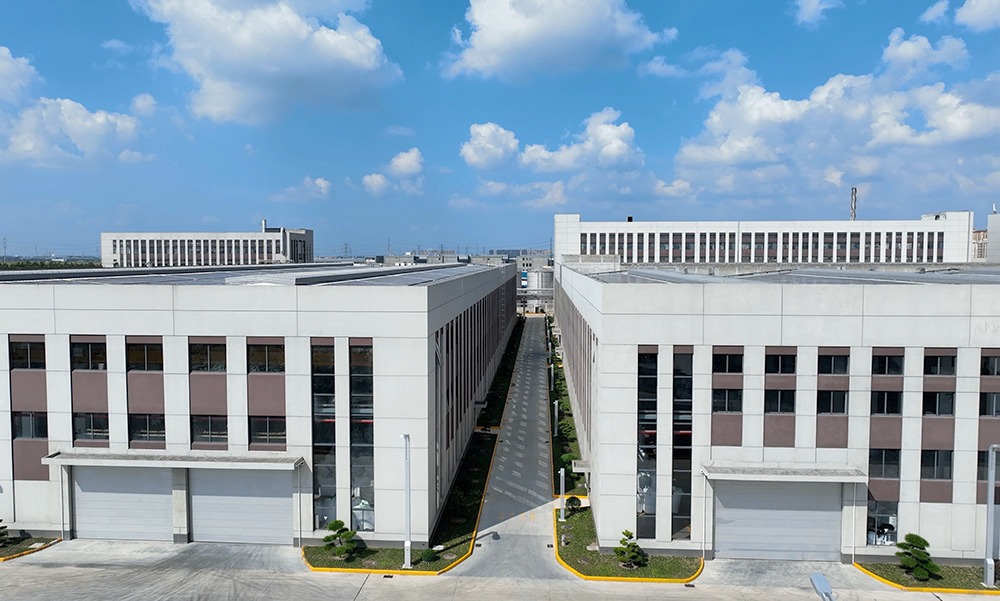
Founded in 1996, Jiangsu Dahai Plastics Co., Ltd. is a leading private enterprise specializing in the production of high-performance PVC films. Spanning over 120,000 square meters, we run more than 20 advanced co-extrusion production lines, supported by a dedicated team of over 450 professionals. With an annual production capacity exceeding 100,000 tons, our products serve critical medical, industrial, and decorative applications across South America, Southeast Asia, Africa, and Australia.
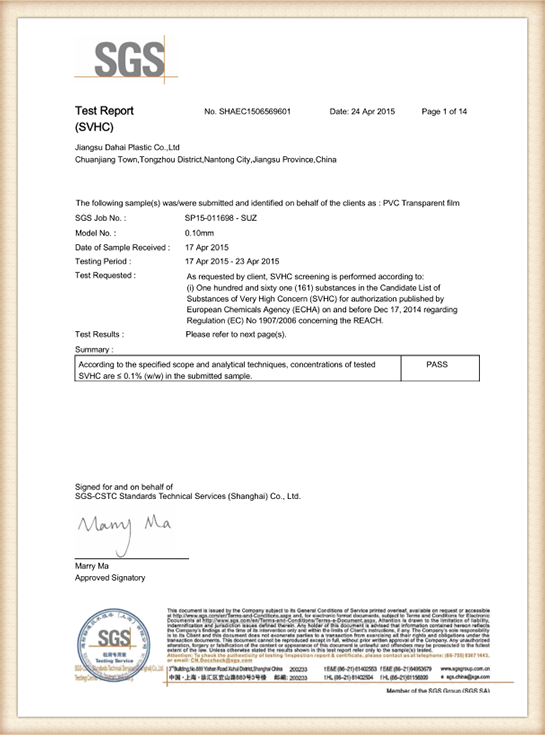
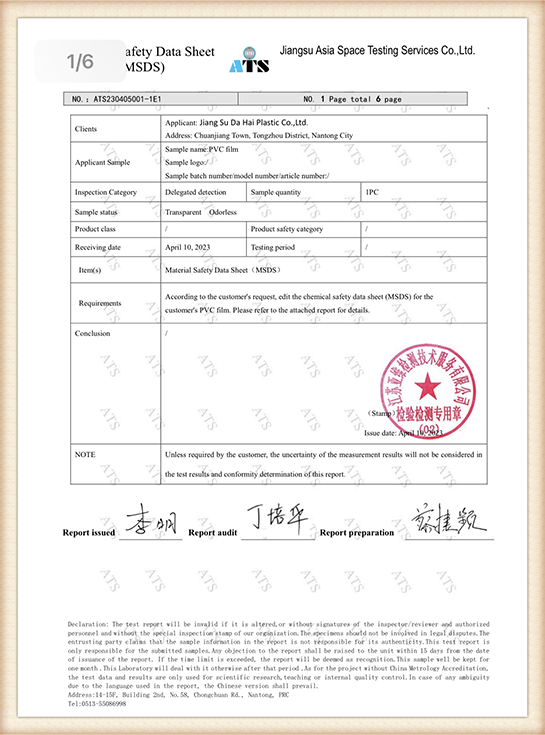
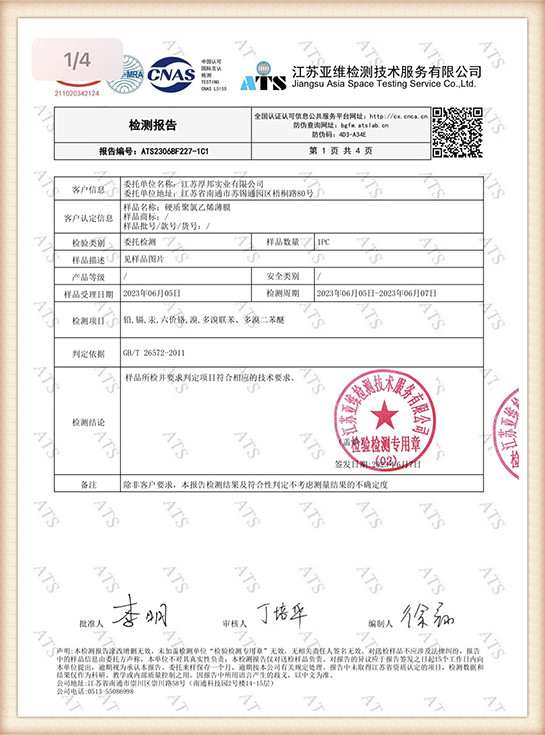
Through partnership with academic teams and continuous investment in our state-of-the-art testing facility (CNAS accredited), we ensure that every batch of film maintains strict thickness tolerances and meets global safety standards, including EN-71, ASTM-F-963, RoHS, and CONEG regulations.
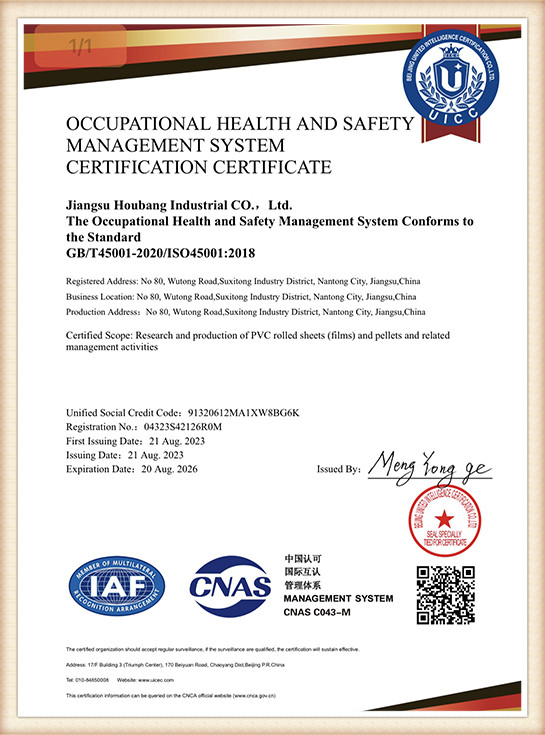
Our labs are accredited by the China National Commission for Conformity Assessment (CNAS). They are equipped with universal testing machines, Agilent GC analyzers, and cold-tolerance testing systems. This setup enables us to perform precision chemical analysis and monitor physical parameters, ensuring our materials meet the high quality standards expected by Canberra medical distributors.
Mission: Make green materials, create a good and healthy life!
Vision: Become the domestic polymer material application industry leader, building a world-class brand.
Spirit: Independent innovation, intelligent future, and safety first across all production operations.
All finished products comply with EN-71, ASTM-F-963, RoHS, and CONEG packaging legislation. Collaborations with international testing centers guarantee regular audits, facilitating smooth customs clearance and import processing for Australian buyers.
Engineered variations for medical-grade containment, consumer-safe structures, and architectural insulation.
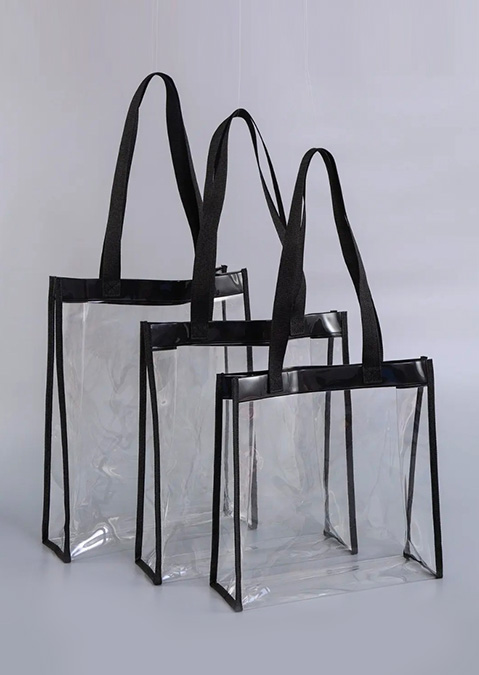
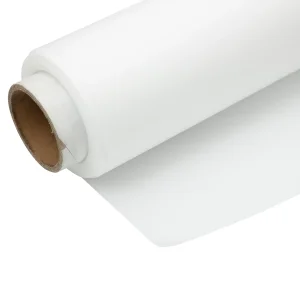
Usually used for daily necessities, packaging, and containment structures.

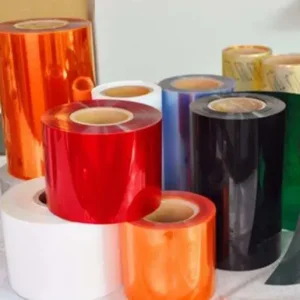
Usually used for industrial insulation, window films, and surface protection sheets.

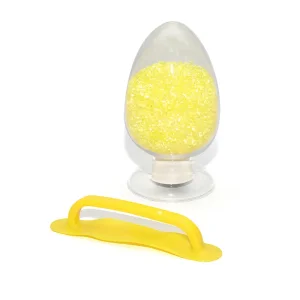
Utilized for non-toxic inflatable toys, dynamic water slides, and consumer goods.
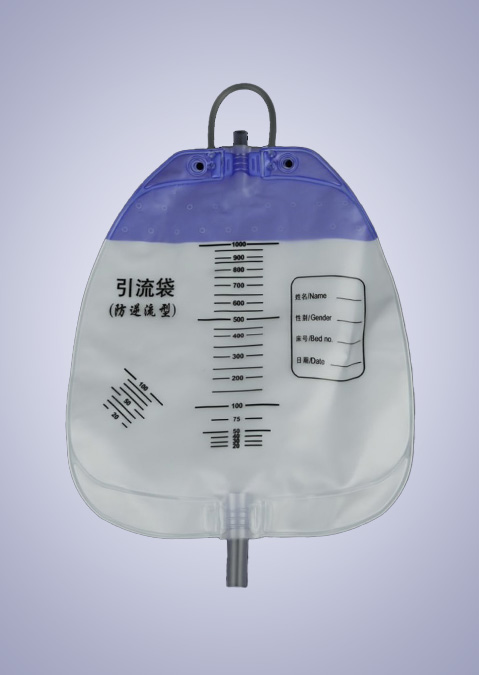
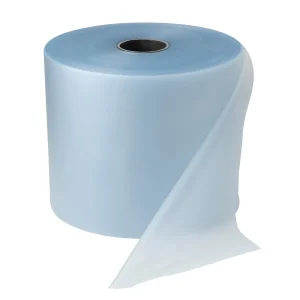
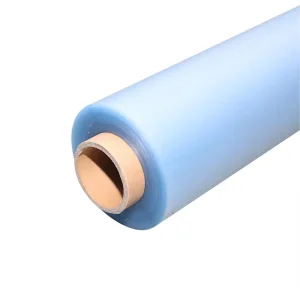
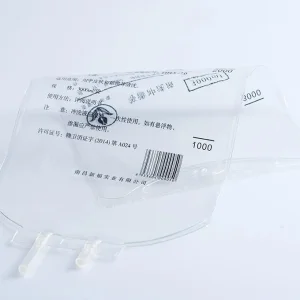
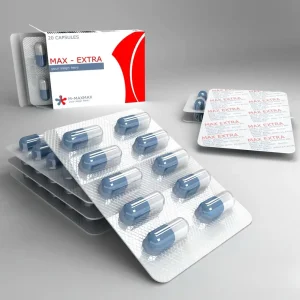
Primary material component for urine collection bags, ENFit bags, and medical tubing.
How Jiangsu Dahai Plastics coordinates global capacity with local Australian demands.
The China-Australia Free Trade Agreement (ChAFTA) provides significant cost advantages for Australian medical equipment manufacturers when importing raw polymer films. Operating over 20 advanced co-extrusion production lines in China, our facility achieves high economy-of-scale advantages. This allows us to supply top-tier medical-grade PVC films at competitive prices without sacrificing quality.
Our logistical network coordinates with carriers departing from major ports like Shanghai and Ningbo, securing routes to Port Botany (Sydney) and Melbourne. Once arriving in Australia, shipments are quickly dispatched to logistics zones in Mitchell or Fyshwick, ACT, ensuring a steady supply of raw materials for your production lines.




Examine our full selection of medical-grade and industrial polymer solutions available for immediate global export.
Providing clear answers to technical, regulatory, and logistical queries regarding medical PVC supplies.
Get in touch with our engineering team for customized thickness calibrations, physical testing data sheets, and competitive commercial quotes.
Send Inquiry Now Dahai Plastic