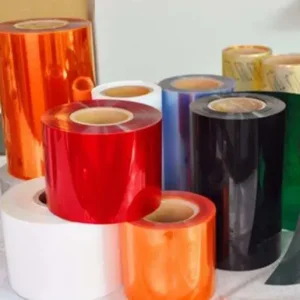
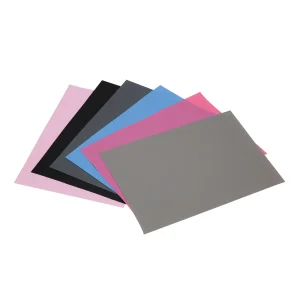
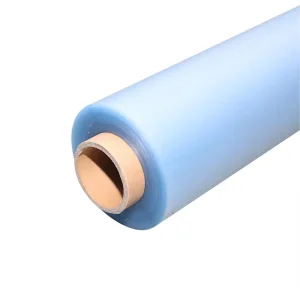
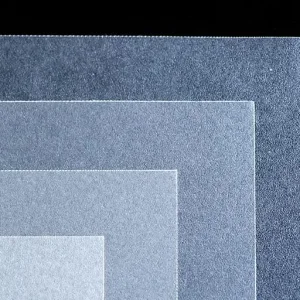
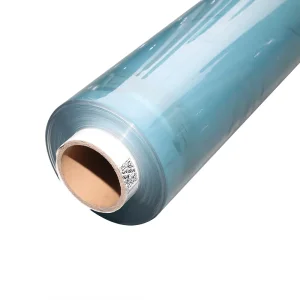
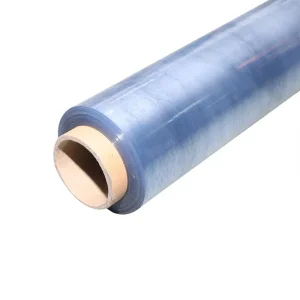
Italy remains a global powerhouse in the plastics and rubber processing industry, with major hubs located in Lombardy, Emilia-Romagna, and Veneto. The demand for PVC rigid film in Italy is driven by the country's sophisticated pharmaceutical and food packaging sectors. Italian manufacturers are renowned for their precision and strict adherence to European quality standards like REACH and RoHS.
As the "Made in Italy" label continues to dominate the luxury and medical markets, the need for high-clarity, thermoforming-ready PVC rigid film has surged. Factories in Milan and Bologna are increasingly seeking materials that offer superior barrier properties against moisture and oxygen, which is essential for pharmaceutical blister packaging—a specialty of Italian chemical engineering.
The Italian market is currently undergoing a "Green Revolution." Factories are shifting toward bio-based additives and high-recyclability PVC films. Modern Italian industrial applications for PVC rigid film now include solar panel components, high-tech furniture laminates, and automotive interior trims. The focus is on the circular economy—ensuring that the rigid film used in thermoforming processes can be recovered and reprocessed without losing its structural integrity.
With the rise of Industry 4.0 in Italian manufacturing, the demand for smart packaging—films that can integrate RFID or specialized printing for anti-counterfeiting—is also on the rise, particularly in Italy’s famous luxury fashion and cosmetics industries.
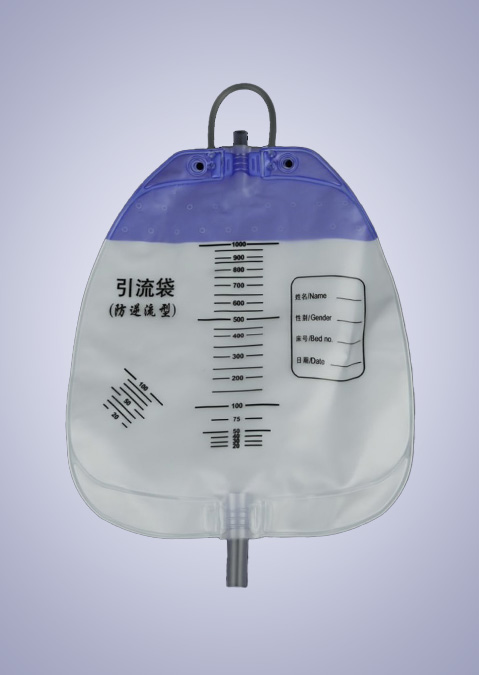
Jiangsu Dahai Plastics Co., Ltd., founded in 1996, is a premier manufacturer specializing in various types of PVC film technology. For nearly three decades, we have been at the forefront of polymer innovation, producing top-tier super transparent film, rigid thermoforming sheets, and specialized medical-grade materials. Our commitment to excellence mirrors the high standards found in Italian manufacturing hubs.
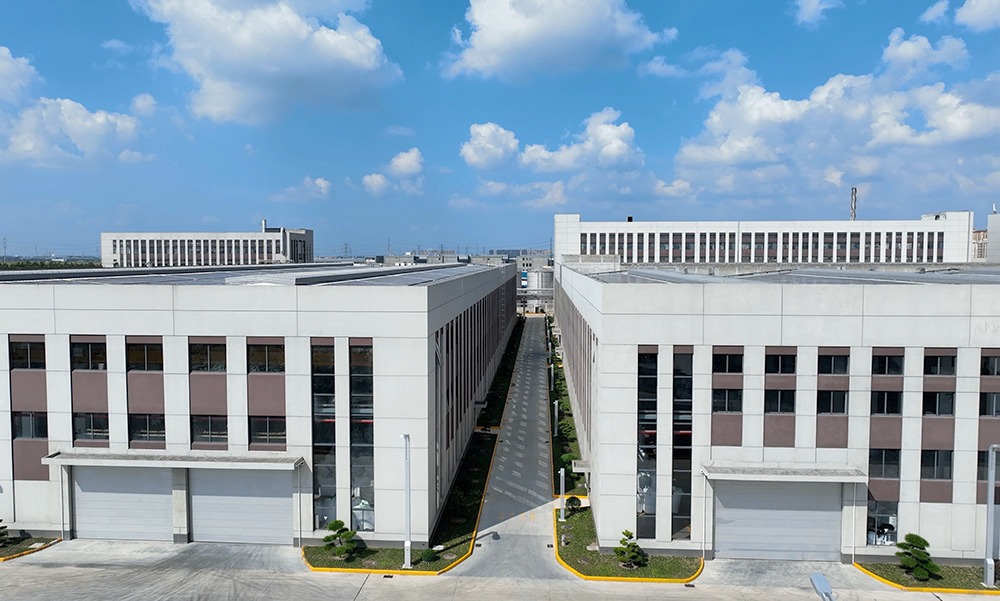
Our company operates over 20 advanced production lines with a dedicated team of more than 450 employees, including a significant 30% of technical management experts. Spanning across 120,000 square meters, our annual output exceeds 100,000 tons, with annual sales reaching over 1 billion. We continuously integrate international advanced equipment to ensure our products meet the rigorous demands of the global market, including South America, Southeast Asia, and Europe.
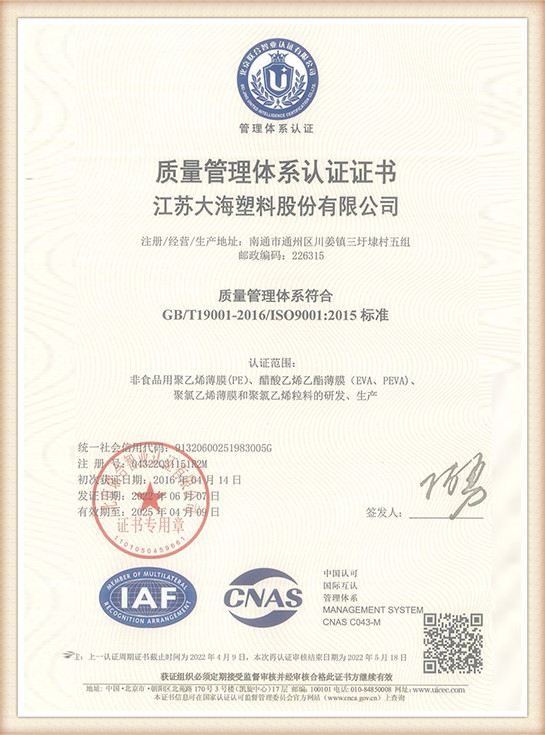
Our laboratories are accredited by the China National Commission for Conformity Assessment (CNAS) and are equipped with advanced instruments, including universal testing machines, Agilent GC analyzers, and cold-tolerance testers. This scientific rigor ensures that every batch of PVC film meets the highest physical and chemical analysis standards.
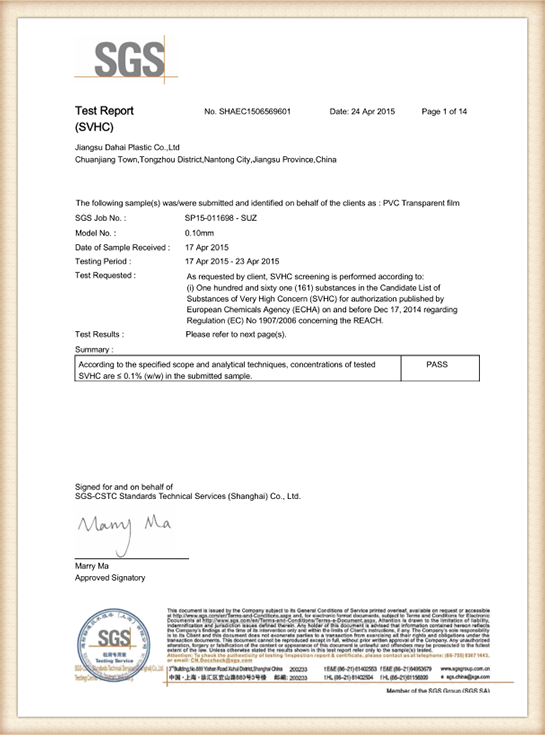
Collaborating with top university research teams, DAHAI is constantly innovating. Whether it is meeting EN-71, ASTM-F-963, or RoHS requirements, our products are designed to exceed customer expectations in safety and performance.


When sourcing from PVC rigid film factories in Italy or international suppliers, understanding technical parameters is crucial. Rigid PVC (Polyvinyl Chloride) is defined by its lack of plasticizers, which gives it a high degree of hardness and excellent mechanical properties. For the Italian automotive sector, rigid films are often processed via vacuum forming to create dashboard components and door panels.
The chemical stability of PVC makes it resistant to most acids, alkalis, and alcohols. In the context of Italian food safety regulations, our rigid films are engineered to be BPA-free and migration-resistant. The thermoforming window of our rigid PVC is optimized for high-speed automated lines common in Northern Italy's industrial corridors, ensuring minimal waste and maximum production efficiency.
The next frontier for PVC rigid film in Europe is the integration of digital printing capabilities. This allows Italian designers to print high-resolution wood grains or marble textures directly onto the film for interior design applications. Furthermore, anti-static rigid PVC is becoming a requirement for electronics packaging in the tech sectors near Turin, protecting sensitive components from electrostatic discharge during shipping.
 Dahai Plastic